
Foundation Repair and Inspection Services in Woodland


4.8 ★★★★★

4.9 ★★★★★

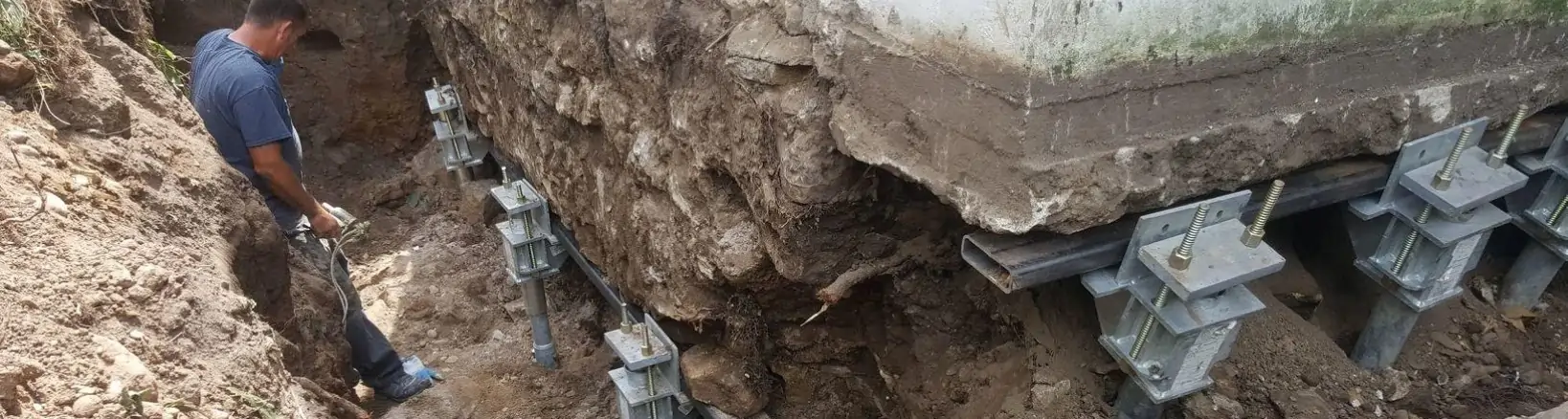
Sinking Slab Foundation Repair
Our slab foundation repair in Woodland stabilizes and reinforces foundations, addressing cracks and settling to maintain a durable structure.
Raised Foundation Repair
We offer raised foundation repair in Woodland, ensuring structural integrity and long-term stability for homes with raised foundations.
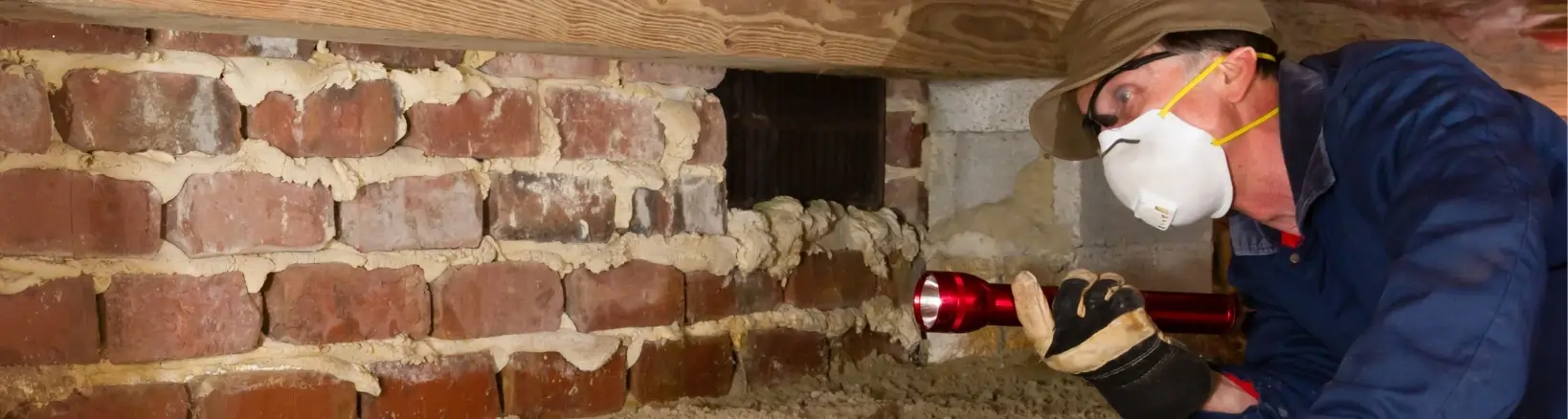
Foundation Inspection
Our detailed inspections catch early signs of foundation issues, enabling proactive solutions that maintain your home’s stability and safety.
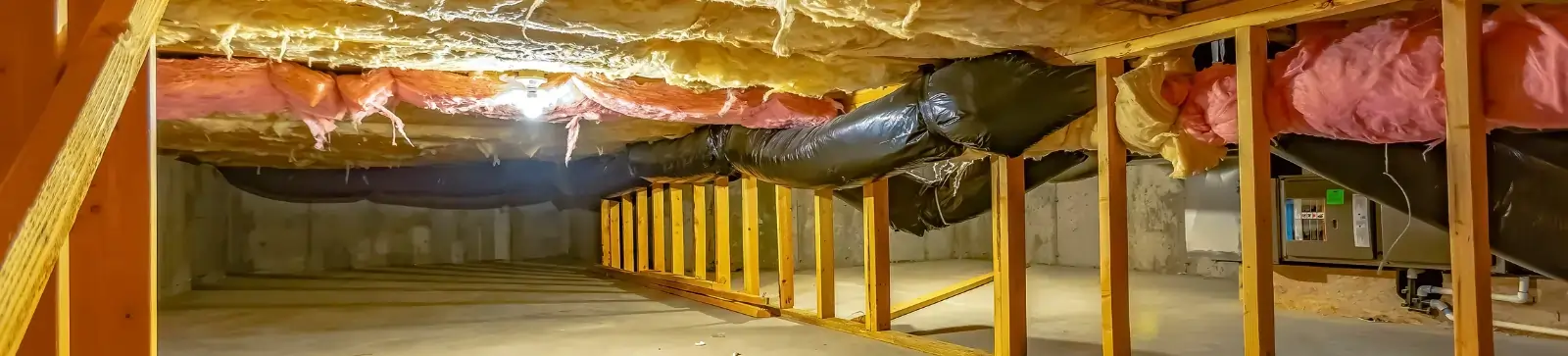
Crawl Space Repair
Pinnacle Home Services provides crawl space repair in Woodland, managing moisture and structural concerns to secure your home.
How Woodland’s Climate Impacts Foundations
Woodland’s climate, with hot summers and wet winters, can challenge foundation stability. Dry conditions cause soil contraction, leading to settling foundations, while rainy periods result in soil expansion, which can place pressure on foundations, causing cracks or shifts.
These seasonal changes impact foundation durability over time. Regular inspections and timely repairs help Woodland homeowners protect their foundation, maintaining home stability and preventing costly repairs.
Protect Your Woodland Foundation Today
Why Woodland Trusts Us for Foundation Repair
Local Knowledge
Our team understands Woodland’s climate and soil for effective solutions.
Licensed Specialists
Pinnacle Home Services is licensed in B, C61, & D30, for reliable foundation repair in Woodland.
State-of-the-Art Equipment
Using advanced technology to ensure precise, lasting repairs.
Transparent Pricing
Upfront pricing with no hidden fees, providing customer confidence.
Satisfaction Guarantee
We stand by our repairs with a satisfaction guarantee for peace of mind.
Flexible Financing
Accessible financing options for Woodland homeowners to afford repairs.
13+
Years of Experience
98%
Satisfied Clients
260+
Projects Completed
20+
Cities We Serve
Complete Foundation Repair Solutions in Woodland
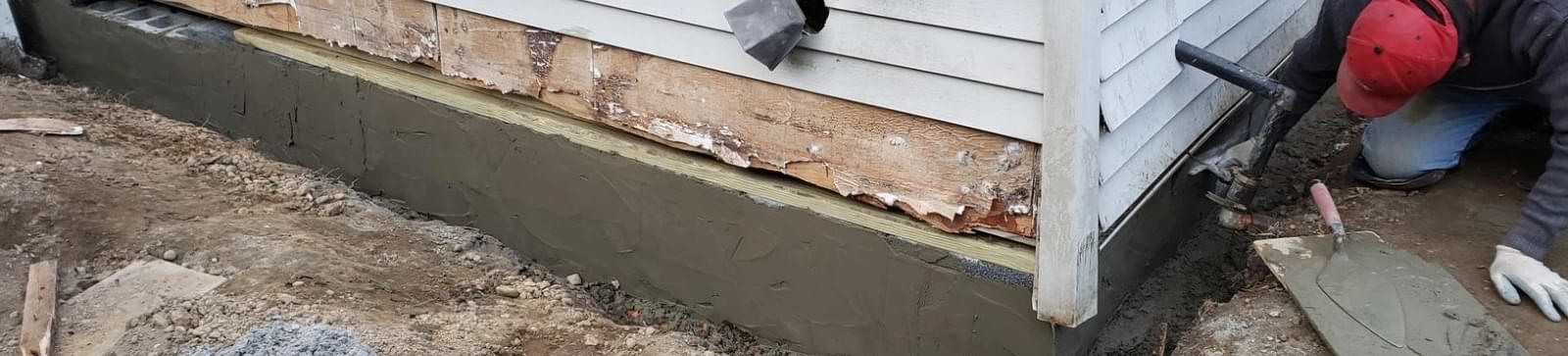
Woodland Helical Piles
Our Process for Helical Piles:
- Assessment
We evaluate foundation conditions to determine pile depth. - Installation
Helical piles are driven deep into stable soil layers. - Strategic Placement
Piles are positioned to evenly support the foundation. - Adjustment
Piles are secured to ensure long-lasting stability.
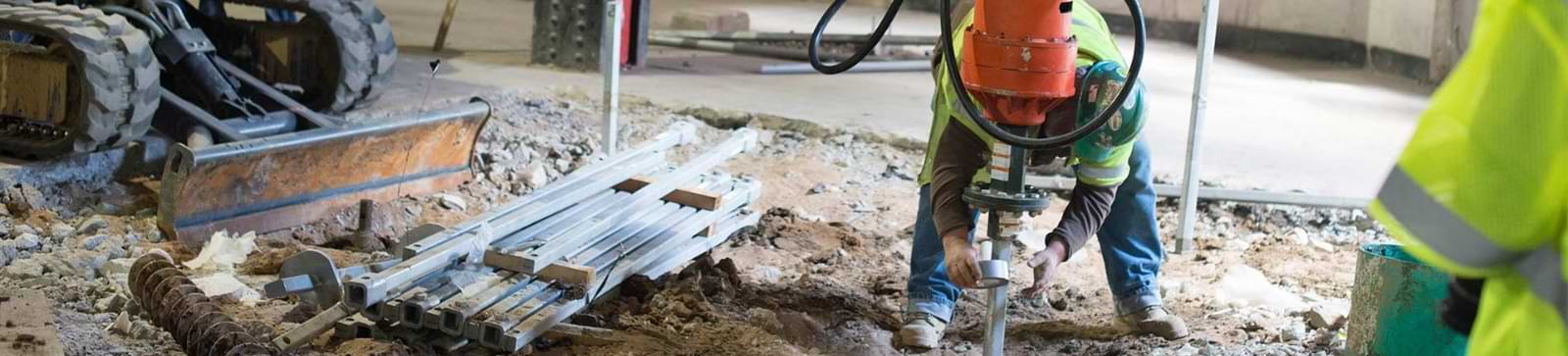
Piles are secured to ensure long-lasting stability.
Our Process for Push Piers:
- Evaluation:
We assess foundation and soil conditions to guide repairs. - Pier Installation
Push piers are hydraulically installed for deep support. - Controlled Lifting
Each pier is adjusted to stabilize and lift the foundation. - Securing Stability
Piers are locked in place for enduring support.
Our Process for Foundation Repair in Woodland
Detailed Inspection
Customized Repair Plan
Expert Repair Execution
Final Quality Check
Why Woodland Residents Choose Our Services


Everyone we worked with at the company was friendly, professional, timely, and the cost was a fraction of full encapsulation!! So happy and highly recommend and trust them!! Only wish we hired them five years ago!!


Woodland Basement Foundation Repair Solutions
Crack Injection
Carbon Fiber Reinforcement
Wall Anchors
Drainage Systems

Trusted Foundation Repair in Woodland
Woodland Local Foundation Repair Specialists

Woodland’s Top Foundation Issue Indicators
- Sticking Doors During Rainy Season
Woodland sits on reactive clay soil that acts like a sponge. You might notice that your doors stick or jam tight during the wet winter months, but then operate perfectly once the ground dries out in summer. This seasonal cycle confirms that your foundation is heaving and settling with the changes in soil moisture. - Sagging Porches on Historic Homes
The historic district is famous for its beautiful Victorian and Craftsman homes, many of which feature heavy wooden or concrete porches. These porches were often built on shallower footings than the main house, causing them to settle faster into the soft topsoil. Look for a visible slant in the porch floor or a gap widening where the porch roof meets the main house. - Crumbling Brick Mortar
In the older neighborhoods near Main Street, many homes still sit on their original brick foundations from the early 1900s. The old lime-based mortar used in these foundations often deteriorates over time due to ground moisture, leading to loose bricks, crumbling joints, or visible settling along the perimeter of the home. - Garage Slab Cracks in Newer Subdivisions
In newer developments like Spring Lake, homes are typically built on slab-on-grade foundations. The expansive clay soil can cause the edges of these slabs to flex or curl during dry spells. This often results in long cracks running through the garage floor or separation where the driveway slab meets the garage apron.
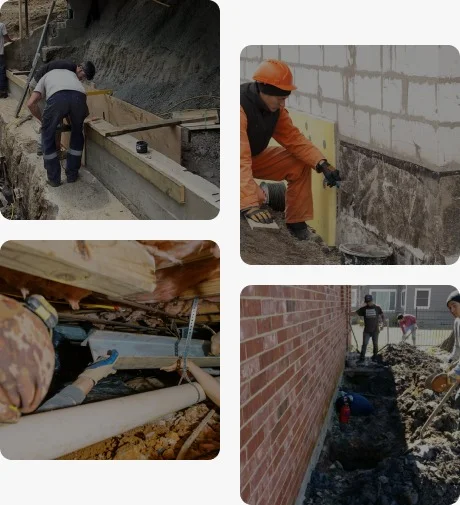
Your Guarantee for Reliable Foundation Repair in Woodland
Our commitment to quality and customer satisfaction means you can feel confident your home’s foundation will remain strong and secure, enhancing your property’s value.

Frequently Asked Questions
How does Woodland’s climate impact foundation stability?
Woodland sits on nutrient-rich, expansive Yolo County clay soils. While great for agriculture, this soil acts like a sponge for your foundation. During our wet winters, the clay absorbs water and expands (heaves), lifting the house. In our dry, 100°F+ summers, the soil loses that moisture and shrinks rapidly. This constant “shrink-swell” cycle stresses concrete footings, eventually causing them to snap. We see the most movement in late September, right before the rains return, when the soil is at its driest and has pulled away from the stem walls.
What foundation issues should I watch for in Woodland?
It depends on your neighborhood. In the Historic Downtown area, where many homes are 80+ years old, we frequently see failing brick foundations and “soft mortar” that has turned to dust, causing the house to sag. In the newer subdivisions like Spring Lake, the issues are typically slab cracks caused by settling soil. The Universal Red Flags: Watch for “stair-step” cracks in your exterior stucco, doors that suddenly rub the top of the jamb, and separation where your chimney meets the siding. If a crack is wider than a dime (approx. 1/8 inch), it warrants a professional evaluation.
How often should I have my foundation inspected?
You don’t necessarily need a professional inspection every year, but you should perform a “Self-Check” every 6 months, once after the rainy season (April) and once at the end of summer (October). Walk your perimeter and look for new cracks in the exposed concrete stem wall. When to call us: If you are buying a home, or if you notice a crack that is actively growing (e.g., you painted over it, and it reopened), schedule a professional inspection immediately. We provide elevation mapping that sets a “baseline” for your home, so we can track movement scientifically over time.