
Signs Your Home Needs Foundation Repair
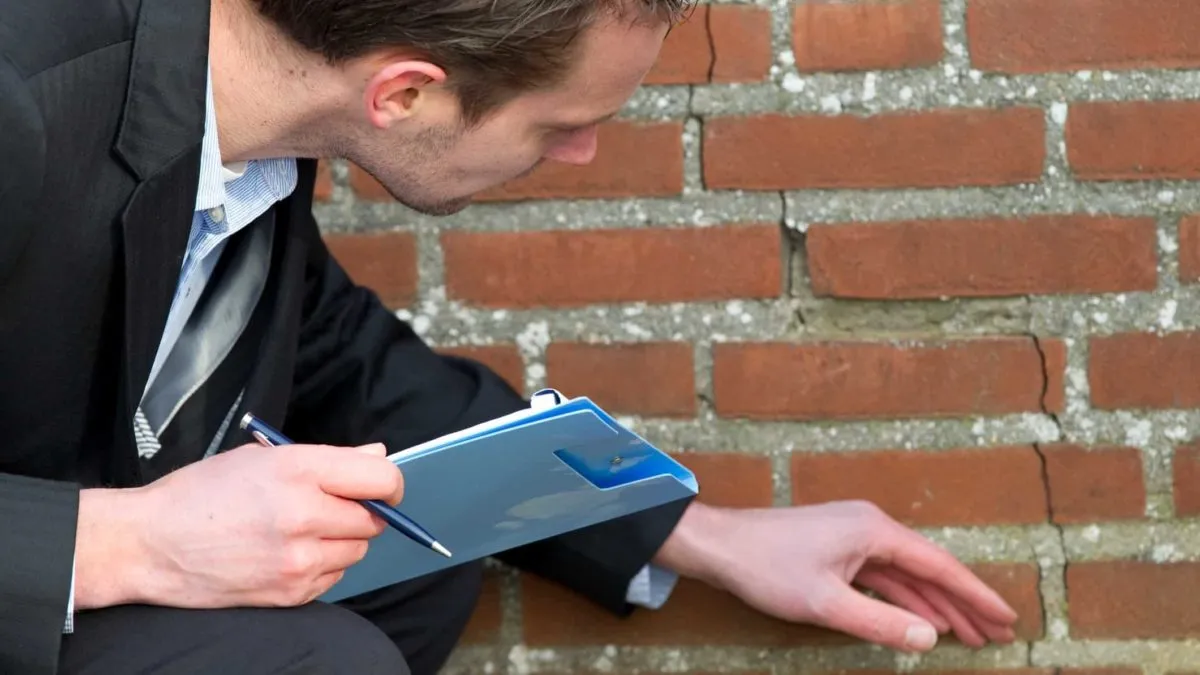
Signs Your Home Needs Foundation Repair
A solid foundation is crucial for the stability and safety of any home. Over time, various factors, from natural wear and tear to environmental changes, can compromise the integrity of your foundation. Recognizing the early signs of foundation problems can save homeowners significant time, money, and stress. Here’s a guide to help you identify the warning signs that your home may need foundation repair.
1. Visible Cracks in Walls or Floors
Cracks, especially those that are widening or horizontal, can be a significant indicator of foundation issues. While small, hairline cracks might be due to the natural settling of the house, larger cracks, especially those in a stair-step pattern on brick or block walls, can signify a more severe problem.
- Hairline Cracks: These are very thin cracks and are often not a major concern. They can appear as a house settles over time.
- Vertical Cracks: These run up and down and might widen over time. They can be due to settlement or the expansion and contraction of the concrete.
- Horizontal Cracks: These can be more serious, especially if they are wide. They might indicate pressure from the soil outside the foundation.
- Diagonal Cracks: These appear at an angle and can be due to differential settling of the foundation.
- Stair-Step Cracks: These appear in brick or concrete block walls and can indicate a problem with the foundation.
2. Doors and Windows that Stick or Don’t Close Properly
If you start noticing that doors or windows are becoming difficult to open or close, or they no longer align correctly, it could be due to a shifting foundation. This misalignment can cause gaps or make it hard to latch doors and windows.
Potential Causes
- Foundation Settlement: Over time, the soil beneath a foundation can settle unevenly, causing parts of the house to sink or tilt.
- Soil Expansion: Expansive soils, like clay, can expand when wet and contract when dry, leading to foundation movement.
- External Pressure: Pressure from tree roots, accumulated water, or soil can cause foundation walls to bow or lean.
- Poor Construction: Inadequate foundation depth, poor soil compaction, or the use of low-quality materials can lead to foundation issues.
- Water Damage: Excessive moisture can erode the soil beneath the foundation, causing it to shift.
3. Uneven or Sloping Floors
If you drop a ball on the floor and it rolls in a direction you wouldn’t expect, or if you feel a noticeable slope when walking, your foundation might be settling unevenly. Uneven floors can be a clear sign of foundation problems.
Identifying the Problem
- Use a Level: Place a level on the floor to see how pronounced the slope is.
- Check Other Symptoms: Look for other signs of foundation problems, such as cracks in walls, sticking doors or windows, or gaps between the wall and floor or ceiling.
- Basement or Crawl Space Inspection: Check for signs of moisture, wood damage, shifted piers, or other issues that might be causing the uneven floors.
4. Gaps Around Window Frames or Exterior Doors
Spaces or gaps forming around window frames or exterior doors can indicate that your house is settling unevenly or that the foundation is shifting.
Identifying the Problem
- Check Other Symptoms: If gaps around windows and doors are due to foundation issues, you’ll likely see other signs such as cracks in walls, uneven floors, or sticking doors and windows.
- Consistency Across the Home: If multiple windows or doors across the home show gaps, it might be more indicative of a foundation issue than if it’s just one isolated area.
- Direction of the Gap: If the gap is wider at the top than the bottom (or vice versa), it might indicate a tilting foundation.
5. Bowed or Leaning Walls
Walls that appear to be bowing inward or leaning can be a sign of soil pressure from the outside, pushing against the foundation. This can be particularly common in basements with block or concrete walls.
Identifying the Problem
- Visible Bowing or Leaning: This is the most obvious sign. Use a level to determine the extent of the lean or bow.
- Cracks: Horizontal or stair-step cracks in the wall can accompany bowing or leaning.
- Water Intrusion: Wet spots or water seepage can indicate poor drainage or hydrostatic pressure.
- External Observations: Check for pooling water, soil grading, or large trees near the affected wall.
6. A Damp Basement or Crawlspace
Water in your basement or crawlspace can be a sign of poor drainage around the foundation. Persistent moisture can erode or weaken the foundation over time, leading to more significant issues.
Potential Causes
- Poor Drainage: If water isn’t directed away from the foundation, it can accumulate and seep into the basement or crawlspace.
- Hydrostatic Pressure: Water in the soil around the foundation can exert pressure, leading to seepage through cracks or porous materials.
- Capillary Action: Moisture can wick up through porous foundation materials, especially in the absence of a proper vapor barrier.
- High Water Table: Homes built in areas with a high water table can experience regular basement or crawlspace dampness.
- Cracks in Foundation: Cracks, whether from settlement, soil pressure, or other causes, can allow water to infiltrate.
7. Gaps Between the Ceiling and Walls
If you notice a gap forming where the wall meets the ceiling, it could be a sign that the foundation is shifting, causing the entire structure to move.
Potential Causes
- Foundation Settlement or Shift: As the foundation of a home settles or shifts, it can distort the overall frame of the house, leading to gaps between the ceiling and walls.
- Truss Uplift: In some homes, the ceiling trusses might lift during colder months due to temperature and moisture variations, causing a gap between the wall and ceiling.
- Poor Construction: Inadequate fastening of drywall, improper framing, or the use of low-quality materials can lead to gaps.
- Water Damage: Water intrusion can weaken structural components, causing sagging or separation.
- Age of the Home: Over time, materials can deteriorate, and the home can naturally settle, leading to gaps.
8. Nails Popping Out of Drywall
While a single nail pop can be due to various reasons, multiple occurrences around your home can indicate that the foundation is moving, causing the frame of the house to shift and push the nails out.
Potential Causes
- Wood Movement: As wooden studs expand and contract with changes in humidity and temperature, they can push nails out of the drywall.
- House Settling: As a house settles, slight movements can cause nails to pop.
- Improper Installation: Nails that aren’t driven in properly or are too close to the edge of a stud can pop out more easily.
- Foundation Movement: Significant shifts in the foundation can lead to structural changes that result in nail pops.
- Vibrations: Regular vibrations from heavy traffic, construction, or even certain appliances can contribute to nails working their way out.
9. Chimney Tilting or Leaning
If your chimney starts to lean or tilt away from your home, it could be due to foundation issues. The soil beneath the chimney might be compacting or eroding, causing it to move.
Identifying the Problem
- Visible Leaning: A noticeable tilt in the chimney is the most obvious sign.
- Gaps: Look for gaps between the chimney and the house, which can indicate movement.
- Cracks: Cracks in the chimney masonry or where the chimney meets the house can be indicative of structural issues.
- Check the Ground: The soil around the chimney’s base should be inspected for signs of erosion, pooling water, or large tree roots.
Conclusion
If you notice any of these signs in your home, it’s essential to consult with a foundation repair specialist as soon as possible. Early detection and intervention can prevent more extensive damage and reduce repair costs. Remember, your home’s foundation is its backbone, and ensuring its integrity is crucial for the safety and value of your property.