
The Impact of Soil Types on Your Foundation
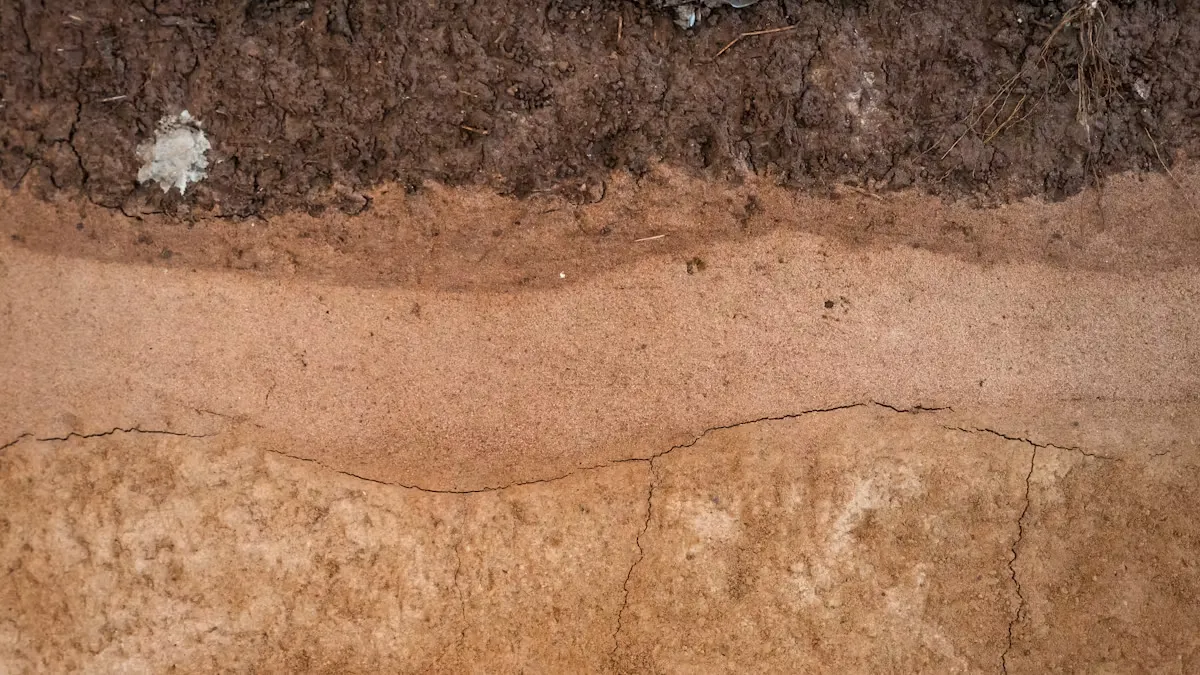
The soil beneath your home is every bit as important as the walls and roof that sit atop it. Your foundation is counting on solid, stable soil to stay level and solid. But soil isn’t always equal to soil. Soils do shift, shrink, and swell, harming your foundation with the passage of time.
In this article, we will examine how different soil types affect the foundation of your house, what type of problems can occur, and how to prevent damage.
Why Soil Type Matters
Your house sits on soil. If the soil is poor or weak, your foundation can crack, settle, or move. Good soil equates to good support and maintains your house stable. Poor soil can cause long-term problems and expensive repairs.
Knowing your soil type tells you about your risk and allows you to choose the best solutions for construction, repair, or prevention.
Common Soil Types and How They Affect Your Home
Following are the most common soil types found under homes, and how each affects the foundation.
1. Clay Soil
- Clay soil is wet and powdery in consistency.
- Clay holds a lot of water.
- Clay swells when it gets wet.
- Dries up when it becomes dry.
This on-going movement stresses your foundation.
Over time, the expanding and contracting could cause cracks on your basement walls or basement floor. Clay soil is one of the worst soils for a house.
2. Sandy Soil
- Sandy soil consists of large particles.
- It is loose and arid to touch.
- It drains water extremely quickly.
- It doesn’t vary much in size by swelling or shrinking.
- It offers great support if compacted well.
When the sand is too loose, it will wash or easily shift away. This can lead to uneven settling beneath your house.
3. Silty Soil
- Silt is slippery and smooth.
- It contains more water than sand but less water than clay.
- It drains slowly.
- It becomes mushy when wet.
- It might settle under pressure.
Silty soil does not make good foundations. It can quickly deteriorate and would lead to sinking or uneven support.
4. Peaty Soil
- Peat is soft and dark in color.
- It contains a high amount of organic content.
- It retains a lot of water.
- It’s spongy and compressible.
- It’s unstable for heavy buildings.
Peaty soil causes serious foundation issues. Peat houses settle unless special construction methods are used.
5. Loam Soil
- Loam is a mixture of sand, silt, and clay.
- It’s the best soil to utilize while gardening, and building.
- It drains effectively.
- It retains water and nutrients.
- It’s stable and solid.
Loam gives strong support to your foundation. It doesn’t shrink or swell too much and gives an even base.
How Soil Influences Foundation Types
Foundations respond differently to soil movement. Below is how soil influences every type of foundation.
Slab Foundations: Slab foundations are set on the ground itself. If the ground shifts, the slab will crack or sag. Clay soil is especially not well-suited for slabs because it expands and contracts extensively.
Crawl Space Foundations: Raised a number of feet above ground, crawl space foundations do provide some sort of moisture protection, but unstable ground beneath can cause sagging or shifting.
Basement Foundations: Basement walls protrude into the ground because of this. When the ground water outside pushes up, it presses against the walls. That can result in bowing, cracking, or leaks.
How Soil Influences Foundation Types
Foundations respond differently to soil movement. Below is how soil influences every type of foundation.
Slab Foundations
Slab foundations are set on the ground itself. If the ground shifts, the slab will crack or sag. Clay soil is especially not well-suited for slabs because it expands and contracts extensively.
Crawl Space Foundations
Raised a number of feet above ground, crawl space foundations do provide some sort of moisture protection, but unstable ground beneath can cause sagging or shifting.
Basement Foundations
Basement walls protrude into the ground because of this. When the ground water outside pushes up, it presses against the walls. That can result in bowing, cracking, or leaks.
Signs That Soil Is Damaging Your Foundation
It’s equally critical to recognize soil problems early. Keep an eye out for these signs:
- Cracking walls that are ceiling or floor
- Sticking doors or windows that refuse to close
- Floors that slope or are not level
- Cavities between ceiling and walls
- Water in the crawl space or basement
- Soil being pulled away from the foundation
- Settling or sinking easily visible around the house
These are typically signs of soil movement under the foundation. The longer you wait, the worse (and more costly) the damage will be.
Why Does Soil Change?
Good soil can turn bad because of some things happening around it. Some reasons are:
Heavy Rain or Flooding: When the ground gets too much water, it can expand or erode. This lowers support under your home.
Drought or Dry Spells: As the ground dries, especially clay, it shrinks and develops voids. The voids can cause your foundation to settle or sink.
Tree Roots: Trees within your home can suck water from the ground, drying the ground faster. Deep roots also exert pressure against the walls of the foundation.
Poor Drainage: Water from the pool in front of your home seeps into the soil. This shifts the pressure around your foundation, which makes it crack or leak.
Building Around: Heavy machinery or excavation near your house disturbs the soil balance or changes the flow of water around it.
Protecting Your Foundation from Soil: You cannot make changes to the soil beneath your home, but you can stop the damage.
Grading Your Yard Properly: Make sure the ground below your house slants away from the foundation. It ensures water is not collected at the bottom.
Install Gutters and Downspouts: Direct rainwater away from your foundation. Use downspouts that release a few feet from your house.
Use Moisture Control: In arid areas, keep the ground always moist to avoid shrinkage. In humid areas, add drainage with gravel or drains.
Avoid Trees Near Home: Plant big trees 20 feet or more away from your home. Cut roots if they get too close to the foundation.
Add a Root Barrier: In case of tree root problems, place a barrier on the ground to prevent them from creeping towards your home.
Add a French Drain: A French drain is a gravel ditch with a pipe that channels water away from your home. It’s great for low-draining spots.
Soil Testing Prior to Construction
When building a new house, always test the soil beforehand. Soil testing tells you:
- What kind of soil is on the property
- How deep stable ground exists
- How saturated the ground is
- If the foundation work will demand special treatment
Engineers use the information to create a strong, long-lasting foundation appropriate for the type of soil. If you do happen to already have soil foundation problems, they sell products to fix them.
Helical Piers: They are essentially long metal rods which screw deep into the ground until they reach solid soil. They lift and stabilize your foundation.
Concrete Piers: Concrete piers are drilled deep into the ground to hold sections that have settled.
Slabjacking (Mudjacking): This procedure raises already settled concrete slabs by placing a mixture beneath them to seal cracks made by shifting soil.
Corrective Wall Anchors: In case your foundation walls are bowing due to soil pressure, wall anchors can straighten and stabilize them.
Final Thoughts
Soil under your house has a great impact on it. Some soils, like peat or clay, get into trouble by gripping water too tightly or contracting up and evaporating. Others, like loam, are great at supporting things.
It is a smart idea to be aware of what kind of soil you have so you can prevent it from harming your house. Look for cracks, holes, and other kinds of damage. Drain properly, have good grading, and tree maintenance to prevent damage.
If you do have foundation problems, don’t delay. Get a pro to come out and examine the problem and make the best possible suggestion for a solution. A solid foundation starts with a good ground—and less is more.