
Costs of Foundation Repairs
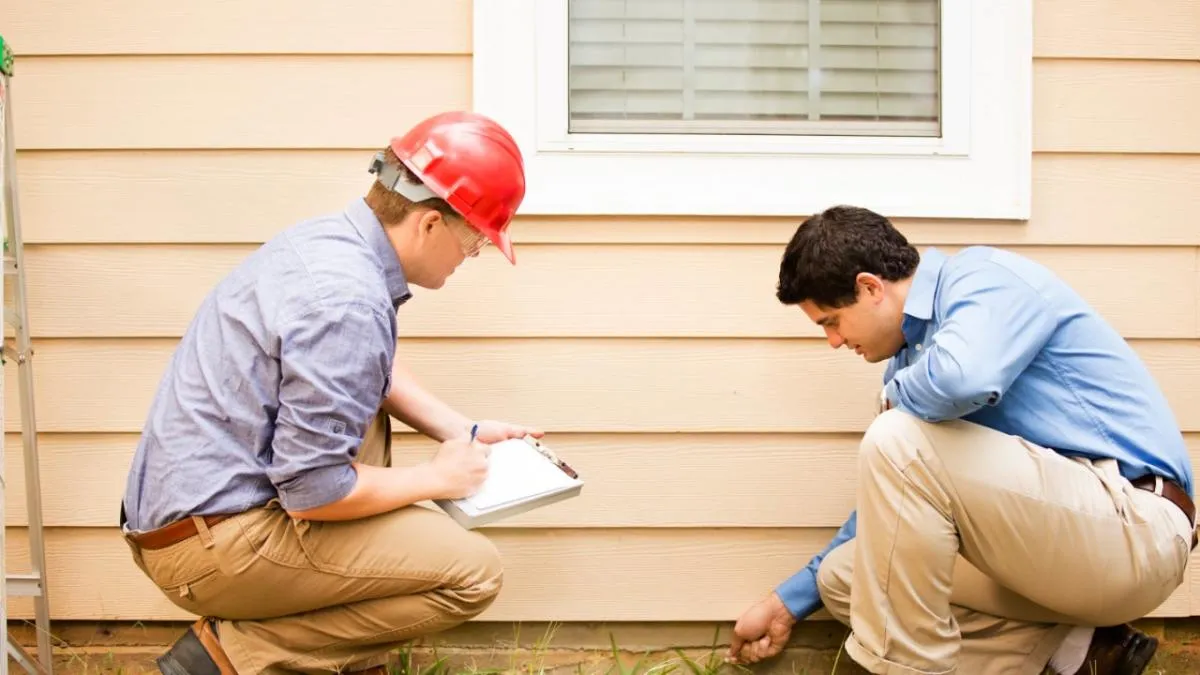
Understanding the Extent of Foundation Damage
When it comes to foundation issues, not all cracks and shifts are created equal. Just like a scratch on your car might be a quick fix while a dent could require more attention, the extent of foundation damage can vary. Let’s dive into the different levels of damage and what they might mean for your beloved abode:
Hairline Cracks
These are the little lines you might spot on your walls or foundation. While they might seem minor, it’s always a good idea to keep an eye on them. They’re often cosmetic but can be an early warning sign.
Larger, Visible Cracks
If you can fit a coin into a crack, it’s time to take note. These could indicate more significant settling or movement in the foundation. They might be accompanied by doors or windows that stick or don’t close properly.
Bowing or Bulging Walls
When walls start to curve or lean, it’s a sign that there’s pressure from the surrounding soil or water buildup. It’s like your home is trying to do a little stretch, and it’s essential to address this sooner rather than later.
Sloping Floors
If you feel like you’re walking uphill in your own home or if you’ve noticed your furniture slowly migrating, it could be a sign of foundation settling or heaving.
Gaps Around Window Frames or Exterior Doors
These gaps can be a telltale sign that the foundation is shifting. It’s like your home is giving you a little wink, saying, “Hey, something’s up!”
Water Intrusion
If you spot water in places it shouldn’t be, like your basement, it could indicate foundation cracks or other issues. Water is a sneaky guest, and it’s essential to find out how it’s making its way in.
Remember, the key is observation and action. If you spot any of these signs, it’s a good idea to consult with a foundation expert. They can help assess the extent of the damage and guide you on the best steps forward.
Pricing for Different Methods of Foundation Repairs
When it comes to foundation repairs, understanding the potential costs can be a game-changer. It’s all about getting the best value for your hard-earned money while ensuring your home’s safety and longevity.
Underpinning
This method is like giving your home a deeper anchor. Depending on the technique (such as helical piers, push piers, or pilings) and the depth required, costs can range from $1,000 to $3,000 per pier. Remember, the total cost will depend on how many piers your home needs.
Slabjacking
Think of this as a gentle lift for sunken concrete. The process involves pumping a mixture beneath the slab. Typically, slabjacking can cost anywhere from $500 to $1,500, depending on the size and severity of the area being treated.
Sealants and Masonry Patches
These are like the band-aids of foundation repairs. For minor cracks, using sealants or patches can be relatively inexpensive, ranging from $5 to $25 for DIY solutions, or up to $500 if you’re hiring a professional for more extensive patching.
Wall Anchors and Braces
If your walls are leaning or bowing, these tools can straighten things out. Wall anchors and braces typically range from $350 to $700 per unit, with the total cost depending on the number of walls needing reinforcement.
Root Barriers
A gentle nudge to keep tree roots at bay. Installing root barriers can cost between $100 to $400 per linear foot, depending on the material and depth.
Drainage Solutions
Ensuring water flows away from your foundation is crucial. Installing systems like French drains can range from $2,000 to $6,000, while sump pumps might set you back $500 to $1,200.
Inspections and Consultations
Before diving into repairs, it’s wise to get an expert’s opinion. Professional foundation evaluations can range from $300 to $1,000, but they provide invaluable insights.
Remember, these are ballpark figures, and actual costs can vary based on your location, the complexity of the job, and the professionals you hire. It’s always a smart move to gather multiple quotes and ensure you’re getting both quality and value.
Geographical Locations and Prices
Foundation repair costs can vary depending on where you hang your hat. Let’s embark on a geographical journey to see how location can influence the price tag of those crucial repairs.
Urban vs. Rural
Urban Areas
In bustling cities, labor and material costs can be higher due to increased demand and living expenses. You might find prices in places like San Francisco, New York, or Chicago to be steeper than the national average.
Rural Areas
In quieter, less populated regions, costs might be lower. However, accessibility to specialized equipment or experts might influence prices.
Regional Climate
Areas prone to extreme weather conditions (think floods in Louisiana or droughts in California) might see more foundation issues, leading to higher demand and potentially higher costs.
In contrast, regions with stable, mild climates might have fewer foundation problems and, therefore, more standard pricing.
Soil Types
Some areas, like parts of Texas, have expansive clay soils that can lead to more foundation issues. Repairs in these regions might be pricier due to the complexity of the problems.
In contrast, areas with more stable soil compositions might see fewer severe foundation issues and, consequently, more moderate repair costs.
Local Economy and Labor Rates
Regions with booming economies might have higher labor rates, translating to increased foundation repair costs.
Conversely, areas with lower living costs might offer more budget-friendly repair prices.
Availability of Materials
In some locations, specific repair materials might be readily available, leading to lower costs. In others, materials might need to be imported, adding to the expense.
Local Regulations and Permits
Some cities or counties have strict building codes and regulations, which can influence the cost of repairs. Acquiring necessary permits in these areas might add to the overall expense.
Remember, while geography plays a role in determining costs, it’s always essential to prioritize quality and expertise. A well-done foundation repair can save you money in the long run, no matter where you call home.
Material Costs for Repairs
The materials used in foundation repair play a pivotal role in ensuring a sturdy and lasting fix. Let’s unwrap the costs associated with these essential ‘ingredients’ to give you a clearer picture of your foundation repair budget.
Concrete
Often used in slabjacking and for patching up cracks. The price can vary based on quality and type, but on average, you might be looking at $75 to $150 per cubic yard.
Steel Piers
These are like strong legs for your home, providing deep support. Depending on the depth and type, steel piers can range from $1,000 to $3,000 each.
Helical Piers
Think of these as corkscrews for the ground, providing stability. They’re typically priced between $100 to $500 per pier, depending on size and load-bearing capacity.
Polyurethane Foam
Used in a method called “polyjacking,” this material lifts and stabilizes concrete slabs. Costs can range from $5 to $25 per square foot, depending on the foam’s density and the project’s complexity.
Sealants
These are your foundation’s protective shields against minor cracks. High-quality sealants can cost between $20 to $65 per gallon.
Wall Anchors and Braces
Made from steel, these tools help straighten bowing walls. Depending on the design and strength, they can range from $350 to $700 each.
Drainage Materials
Essential for guiding water away from your foundation. Materials for French drains, for instance, can cost between $20 to $30 per linear foot, while sump pumps might set you back $150 to $400, depending on their capacity.
Root Barriers
These barriers, often made from durable plastics or metals, keep tree roots at bay. Depending on the material and depth, they can range from $10 to $25 per linear foot.
Gravel and Soil
Sometimes, you might need to replace or add gravel or soil during repairs. Costs can vary widely based on type and quality, but you might be looking at $10 to $50 per cubic yard.
Remember, while it’s tempting to cut corners with materials to save some bucks, investing in quality can make all the difference in the longevity of your repairs.
Labor Costs for Repairs
While materials are the building blocks of foundation repair, it’s the skilled hands of professionals that piece everything together. Labor costs can be a significant portion of your repair budget.
Experience Matters
Just like you’d pay more for a seasoned chef than a novice, experienced foundation repair specialists might charge more due to their expertise and track record. But remember, with experience often comes peace of mind!
Complexity of the Job
Basic repairs, like filling minor cracks, might take less time and expertise. However, more intricate tasks, such as underpinning, require specialized skills and more hours, leading to higher labor costs.
Equipment Usage
Some repairs need heavy machinery or specialized tools. The operation of these tools often requires trained professionals, which can add to labor costs.
Duration of the Repair
Some foundation issues can be fixed in a day, while others might take weeks. Longer jobs will naturally have higher cumulative labor costs.
Local Labor Rates
Just as the cost of living varies from place to place, labor rates can differ based on your location. Urban areas or regions with a higher cost of living might have steeper labor rates than more rural areas.
Additional Services
Some professionals offer comprehensive services, including inspections, consultations, and post-repair clean-up. While these might add to the labor costs, they often provide added value and convenience.
Training and Certifications
Professionals with specialized training or certifications might charge more for their services. However, these certifications often ensure that the work is up to industry standards.
Team Size
Some repairs might require a larger crew to get the job done efficiently. More hands on deck can influence the overall labor cost.
Remember, while it’s essential to budget wisely, it’s equally crucial to ensure the job is done right. A well-executed foundation repair can save you from future headaches and additional expenses. So, as you navigate the world of labor costs, think of it as an investment in the safety, longevity, and value of your cherished home.
Also, Keep in Mind..
Additional Work
Sometimes, foundation repair might uncover other issues, like plumbing problems or pest infestations, which could add to the overall cost.
Preventative Measures
Investing in preventative solutions, like proper drainage systems, might have an upfront cost but can save money in the long run by preventing more severe foundation issues.
Permits and Inspections
Some localities require permits for foundation repair, which can add to the cost. Additionally, post-repair inspections might be necessary to ensure the work meets local building codes.
Warranty and Aftercare
Some companies might offer warranties or maintenance packages, which could influence the overall cost. However, these can provide peace of mind and potential savings in the future.
Resale Value
While not a direct cost, it’s worth noting that a well-repaired foundation can increase a home‘s resale value. On the flip side, a damaged foundation can significantly decrease a property’s market value.
Financing and Insurance
Some homeowners might be able to claim foundation repairs on their home insurance, depending on the cause of the damage. Additionally, financing options or payment plans might be available to help spread out the cost.
When considering the cost of foundation repair, it’s essential to view it as an investment in the safety, functionality, and value of your home. Always get multiple quotes and understand the full scope of the work to make an informed decision.