
DIY vs Professional Foundation Repair
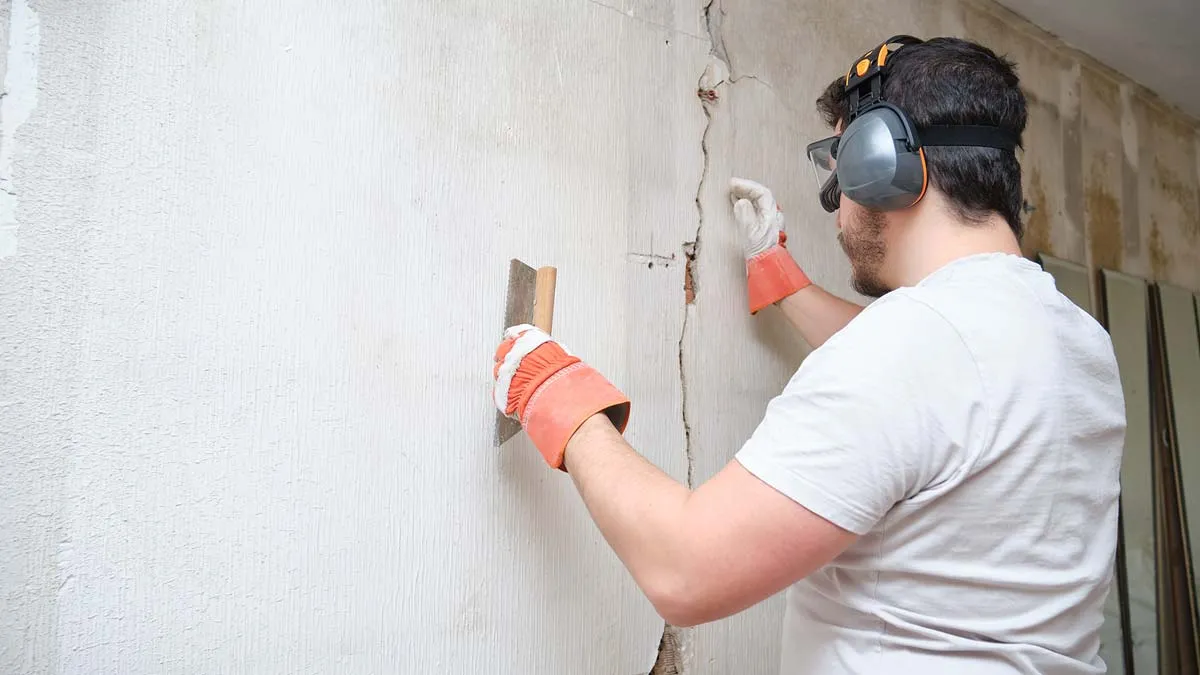
Foundation problems are everyone’s concern when it comes to a homeowner. Sinking floors, walls that crack or shift, these can grow into bigger issues if not fixed. When you spot the damage signs, you cannot help but ask yourself: should I do it myself or hire a professional?
In this guide, we’ll outline the pros, cons, and prices so you can decide on the best option for your home.
What Is Foundation Repair?
Foundation repair is the act of fixing issues in your home’s foundation system. Your foundation supports your entire house. When it is damaged, your house is no longer safe. Some of the usual foundation issues are:
- Cracks in walls or floors
- Sticking doors and windows
- Sloping or uneven floors
- Openings around windows or doors
- Basement water leaks
When You Could Consider DIY Foundation Repair
Most people attempt to save money by doing it themselves. Some foundation issues seem simple to address. If you have minor cracks or minor settling, DIY can seem like a good choice.
The following are some situations where DIY will work:
Hairline Cracks: Minor drywall or concrete cracks (less than 1/8 inch wide) can be sealed by caulk or epoxy at times. These sealings prevent water or insects.
Surface Waterproofing: Waterproof paint or sealer can be used to paint or seal basement walls. This prevents minute moisture problems.
Minor Drainage Fixes: Small issues like backed-up gutters or a bad grade around your residence can be fixed by yourself. Diverting water away from your residence prevents future foundation damage.
Pros to DIY Foundation Repair
- Saving money: You only spend on material and tools.
- Immediate action: You get to start the work instantly.
- Pride: You are happy after fixing something yourself.
Cons to DIY Foundation Repair
- Lack of experience: Most homeowners lack the experience for significant foundation repairs.
- Hidden damage: You may overlook greater issues beneath the surface.
- Quick solution: Most DIY repairs are short-lived.
- No guarantee: In case the repair fails, you may spend additional funds in the future.
When You Should Call a Professional for Foundation Repair
If the damage seems critical or is similarly deteriorating, it is time to searching for the professional foundation repair company. Experts have the training, equipment, and expertise to handle complex problems.
The following are signs you shouldn’t try to do a DIY fix:
Wide or Widening Cracks: Large cracks that are more than 1/4 inch, or widening cracks, may signal extreme settling or movement.
Sloping Floors: When sections of your floor decline or incline, the foundation is probably moving. This must be fixed by a pro.
Doors or Windows That Are Stuck: Sticky doors and windows that won’t open usually indicate foundation movement.
Water in the Basement: Recurring water issues are indicators of bad drainage or foundation cracks. Professional waterproofing and repairs could be warranted.
Professional Foundation Repair Techniques
Specialists use a number of methods depending on the problem:
- Piering or underpinning: Steel or concrete piers are driven deep into the earth to level the foundation.
- Slabjacking or mudjacking: A unique mud-like material is pumped under the slab to lift it.
- Wall anchors: Secure bowing or leaning basement walls.
- Carbon fiber straps: Repair walls and stop further movement.
- Drainage solutions: Like French drains, sump pumps, and yard grading enhancements.
Pros to Professional Repairs
- Expertise: Professionals know the types of soil, types of foundations, and correct repairs for each condition.
- Specialized equipment: They employ tools and materials not found in home improvement centers.
- Long-term fix: Repairs are done to last many years.
- Warranty: Most companies provide a warranty on the job.
- Peace of mind: You have the assurance that the job was completed correctly.
Cons to Professional Repairs
- More expensive: A contractor is more expensive to hire upfront.
- Scheduling time: You may have to wait for an appointment to be scheduled.
- Less control: You are at the mercy of someone else’s schedule and method.
When to Go for DIY
Select a DIY repair if:
- The cracks are minor and not growing.
- The problem is superficial (i.e., sealing or caulking).
- You have basic skills and tools.
- You want to keep water out with paint or sealant.
- You’ve already had the home inspected and confirmed it’s not a major problem.
When to Call a Professional
Hire a foundation expert if:
- Cracks are wide, growing, or diagonal.
- The floor is uneven or sagging.
- Your basement walls are bowing or leaning.
- Water keeps entering the basement.
- Doors or windows won’t close right.
- You’re unsure about the cause of the damage.
Risks of Ignoring Foundation Issues
Some ignore small problems to save on repair costs. But foundation damage almost never fixes itself. It gets worse over time. The longer you wait, the more you’ll pay for the repair.
Delaying repairs can lead to:
- Unsafe living conditions
- Damage to walls, floors, and roofs
- Infestation by pests
- Loss of home value
- Difficulty selling the house in the future
Final Thoughts: DIY or Professional?
There is a place and time for professional and DIY foundation repair. It’s simply a question of the extent of the problem, your skill level, and your budget.
Choose DIY if:
You have minor cracks or simple drainage repairs and feel at ease using tools.
Choose a professional if:
You discover big cracks, uneven floors, or water problems. Your house’s safety is on the line, and that of a professional is the intelligent way to go.
It is always better to have a professional examination done initially. Some builders even do free inspections. Having a clue about your foundation’s real condition allows you to make the appropriate decision and safeguard your home for the long term.