
Common Foundation Problem Signs
- Professionally Trained Foundation Specialists
- Superior Customer Service
- Transparent and Competitive Pricing

4.8 ★★★★★

4.9 ★★★★★

13+ Years Of Experience
License #897075
Warranty Backed Solutions
ECO Friendly
Problem Signs of a Sinking or Settling Foundation
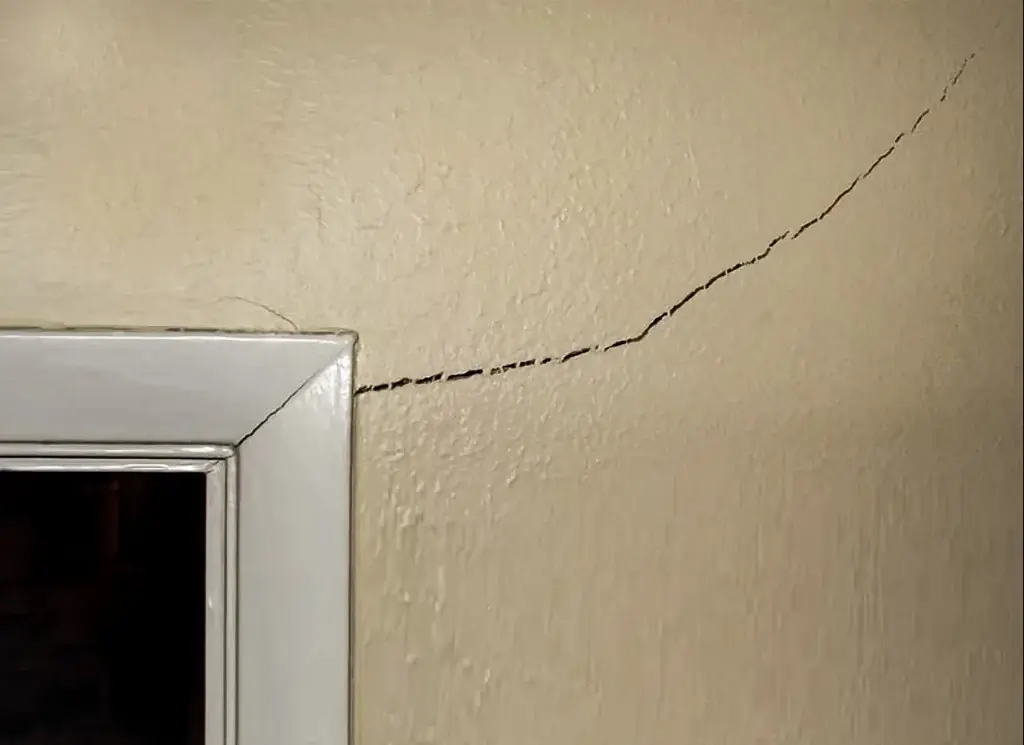
Exterior Stucco & Brick Cracks
From hairline fractures above doorways to large, zigzagging stair-step cracks in your exterior brick, these are a classic sign that your foundation is under stress from movement or settlement.
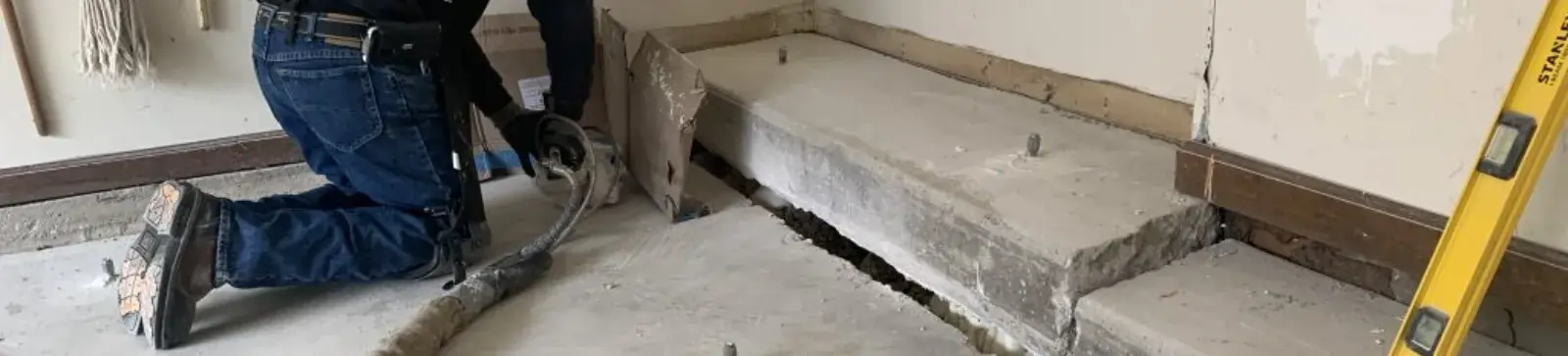
Sagging Floors
If you feel like you're walking downhill in your living room or notice bouncy, sagging, or unlevel floors, the foundation or support system beneath you is likely sinking or failing.
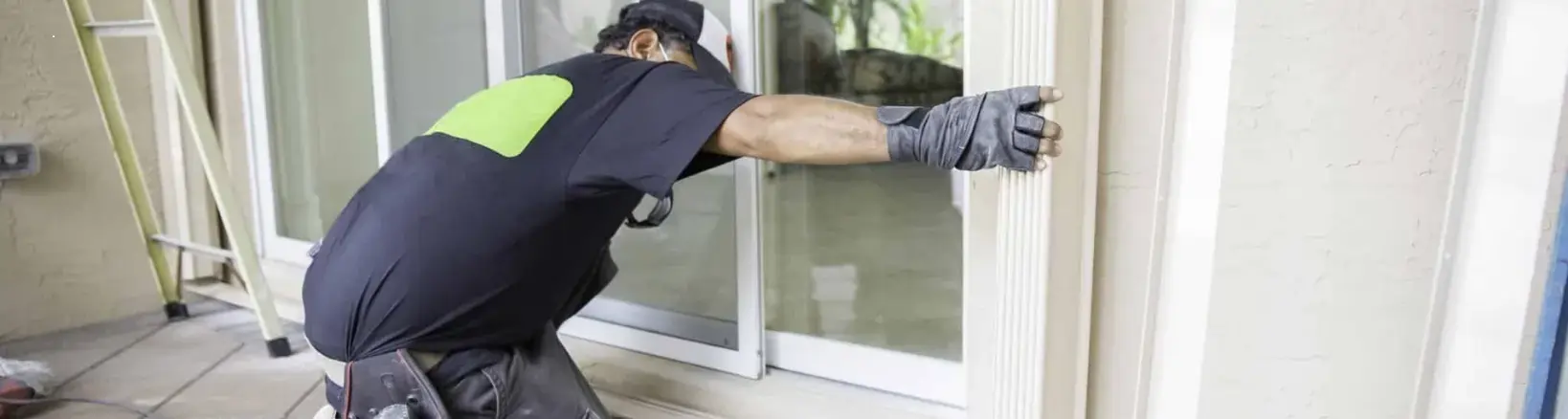
Misaligned Doors
When a foundation settles, it twists the home's frame. This distortion warps your doorways, causing doors to stick, jam, scrape against the frame, or no longer latch properly.
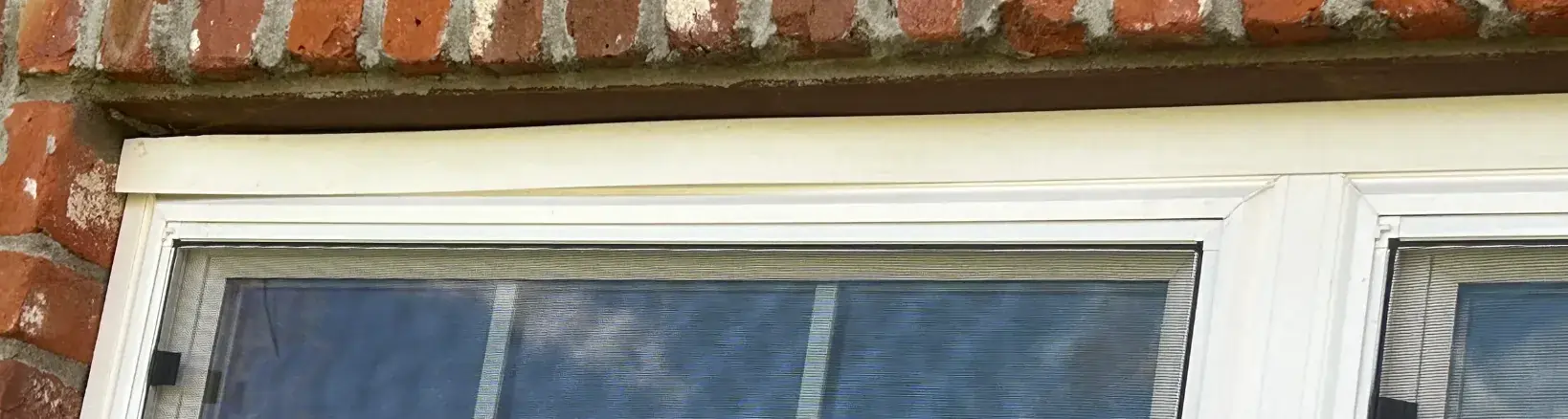
Window Gaps
Similar to sticking doors, a settling foundation can twist window frames, making them difficult to open and close or creating new, visible gaps between the frame and the wall.
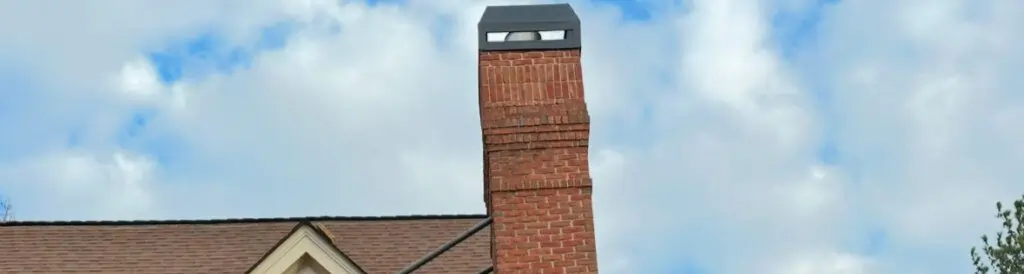
Leaning or Cracked Chimney
A chimney that is visibly cracked, tilting, or separating from the side of your house is a serious red flag. This almost always indicates that its independent concrete footing has sunk and failed.
13+
Years of Experience
98%
Satisfied Clients
260+
Projects Completed
20+
Cities We Serve
What Our Satisfied Customers Are Saying


Everyone we worked with at the company was friendly, professional, timely, and the cost was a fraction of full encapsulation!! So happy and highly recommend and trust them!! Only wish we hired them five years ago!!


Our Quality Guarantee for Long-Lasting Satisfaction

Foundations Repair Services Across Northern California
Pinnacle Home Services proudly provides coverage across all major cities throughout Northern California, delivering reliable and expert service to the entire region.
Top Cities We Serve
FAQ
Are hairline cracks in my walls or concrete a serious problem?
Not always. Thin, hairline cracks (less than 1/16th of an inch) are often just cosmetic “shrinkage” cracks caused by curing concrete or minor settling. However, if you see stair-step cracks in exterior stucco/brick, cracks that are wider at the top than the bottom, or cracks where one side of the wall has shifted higher than the other, these are structural red flags that require an inspection.
Why do my doors stick in the winter but open fine in the summer?
This is a classic sign of expansive clay soil, which is common in Sacramento and Elk Grove. As the soil swells with winter rain and shrinks in summer heat, it pushes and pulls on your foundation. While some seasonal movement is common, doors that stick so hard they cannot be latched—or doors that never return to normal, indicate that your foundation has permanently settled and needs stabilization.
I feel a "hump" in my floor instead of a dip. Is that a foundation issue?
Yes, this is known as “Slab Heave.” Unlike settling (where the house sinks), heave happens when the clay soil under the center of your home swells and pushes the slab upward. This is particularly common in newer post-tension slab homes in areas like Natomas and West Roseville. It is a serious structural issue that requires specialized moisture management and repair.
Do you fix cracks in driveways, sidewalks, or patios?
No. We specialize exclusively in structural foundation repair for the home itself. We do not perform cosmetic concrete lifting for driveways, walkways, or pool decks. If your issue is strictly exterior flatwork, we recommend contacting a cosmetic concrete leveling specialist.
Why is there a gap between my floor and the baseboards?
If you notice a gap opening up where your floor meets the baseboard, or if your kitchen cabinets seem to be pulling away from the wall, this is a clear sign of interior settlement. It means the floor system (slab or raised floor joists) is sinking downwards while the perimeter walls of the house are staying in place. This vertical separation rarely fixes itself and typically requires interior stabilization to close the gap.