
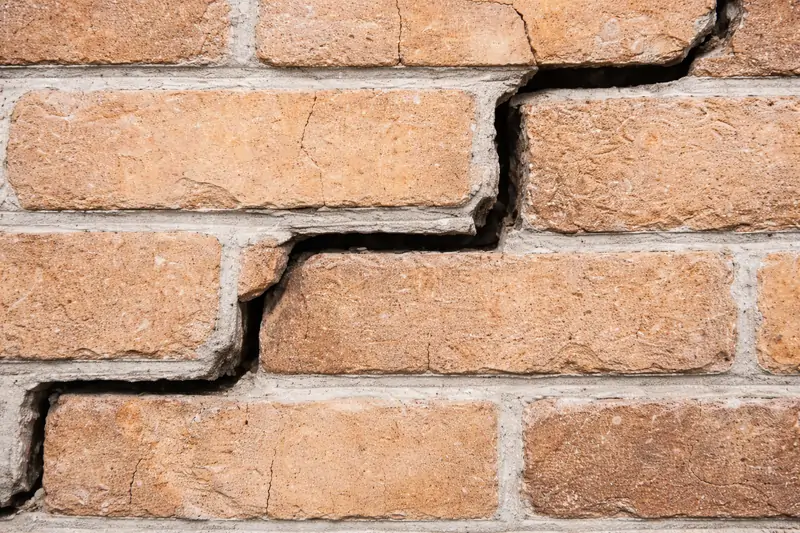
Stair Step Cracks in Brick and Stucco Explained
For many homeowners, the discovery of a crack in an exterior wall triggers immediate anxiety. Among the various types of fissures that can appear, stair step cracks are perhaps the most visually alarming. These jagged, zig-zagging lines follow the mortar joints of brick or the stress lines of stucco, climbing the wall like a miniature staircase.
In Sacramento and the surrounding Central Valley, these cracks are a frequent sight. But the question remains: is this a simple cosmetic fix, or a warning sign that your home’s foundation is in jeopardy?
This guide explores the mechanics of stair step cracks, the unique environmental factors in Northern California that cause them, and how to determine when it’s time to call in the professionals.
What Are Stair Step Cracks?
Stair step cracks are distinct patterns that emerge when a wall is subjected to vertical or lateral pressure. Because the mortar holding bricks together is generally weaker than the bricks themselves, the pressure takes the path of least resistance, traveling horizontally and vertically through the joints.
In stucco homes, while there are no mortar joints to follow, the material is incredibly rigid. When the underlying frame shifts, the stucco snaps in a similar diagonal, stepped pattern, typically appearing:
- Near the corners of windows and doors.
- Along the side elevations of the home.
- In the transition area between a garage and the main living space.
Why Do These Cracks Form? (The Sacramento Factor)
Brick and stucco are prized for their durability, but they share a common weakness: they do not flex. When the ground beneath them moves, the walls must either move with it or break. In the Sacramento region, several factors contribute to this movement.
1. Expansive Clay Soil
Much of the Sacramento Valley sits on “expansive” clay. This soil acts like a sponge; it swells significantly when wet and shrinks during our hot, dry summers. This constant heave-and-settle cycle puts immense structural stress on concrete foundations.
2. Seasonal Moisture Swings
Our Mediterranean climate, wet winters followed by extreme droughts, is the perfect recipe for foundation movement. During a drought, the soil shrinks away from the foundation, leaving a void. When the rains return, the soil expands unevenly, “heaving” the foundation upward.
3. Poor Drainage and Tree Roots
Clogged gutters or downspouts that dump water at the base of the home oversaturate the soil, softening it until it can no longer support the weight of the structure. Conversely, large trees can suck the moisture out of the soil near a foundation, causing localized “shrinkage” and settlement in just one corner of the house.
Are Stair Step Cracks Structural or Cosmetic?
Not every crack is a catastrophe. Distinguishing between a settling crack and a structural failure is key to managing your home maintenance budget.
|
Feature |
Cosmetic / Minor |
Structural / Serious |
|
Width |
Hairline (less than 1/8 inch) |
1/4 inch or wider (can see through it) |
|
Stability |
Remains the same for years |
Widens or lengthens over months |
|
Interior Signs |
None |
Sticking doors, sloping floors, drywall cracks |
|
Location |
Mid-wall or random |
Near corners or load-bearing sections |
The “Pencil Test”
A simple way to monitor a crack is to mark the current end of the crack with a pencil and write the date. Check it every month. If the crack moves past your mark or grows wider, the movement is active and requires professional intervention.
The "Red Flag" Symptoms
Stair step cracks rarely travel alone. If you see these exterior cracks accompanied by the following interior issues, your foundation is likely moving:
- Doors and Windows: If they suddenly stick, won’t latch, or have visible gaps at the top.
- Floors: A “sloping” feeling or a noticeable tilt in a particular room.
- Drywall: Cracks appearing over doorways or “nail pops” (small circular bumps) in the ceiling.
Solutions: Beyond the Quick Fix
If a crack is structural, simply patching it with mortar or caulk is like putting a bandage on a broken arm. It might look better for a few weeks, but the crack will inevitably return.
1. Foundation Piering
The gold standard for settling foundations. Steel piers (push or helical) are driven deep into the earth until they hit stable soil or bedrock. The weight of the home is then transferred onto these piers, stabilizing the structure and, in some cases, allowing the home to be lifted back toward its original position.
2. Drainage Correction
Sometimes, the best foundation repair is a shovel. Ensuring that soil slopes away from the home and that gutters discharge water at least 5–10 feet away can stop the cycle of soil expansion.
3. Professional Evaluation
A professional foundation inspection provides a data-driven look at your home. By measuring floor elevations and analyzing crack patterns, specialists can determine if you need a major repair or just a minor drainage adjustment.
Take Action Today: Schedule a Foundation Inspection in Sacramento
If you’ve noticed zig-zagging cracks in your brick or stucco, don’t wait for the next rainy season to see if they get worse. Early diagnosis is the best way to prevent a minor settlement issue from turning into a major structural failure.
Pinnacle Home Services provides professional foundation inspections and repair solutions throughout Sacramento, Elk Grove, Roseville, and surrounding communities. Our team understands local soil conditions and how they impact foundations over time.
Schedule a foundation inspection today to get clear answers and a plan forward.