
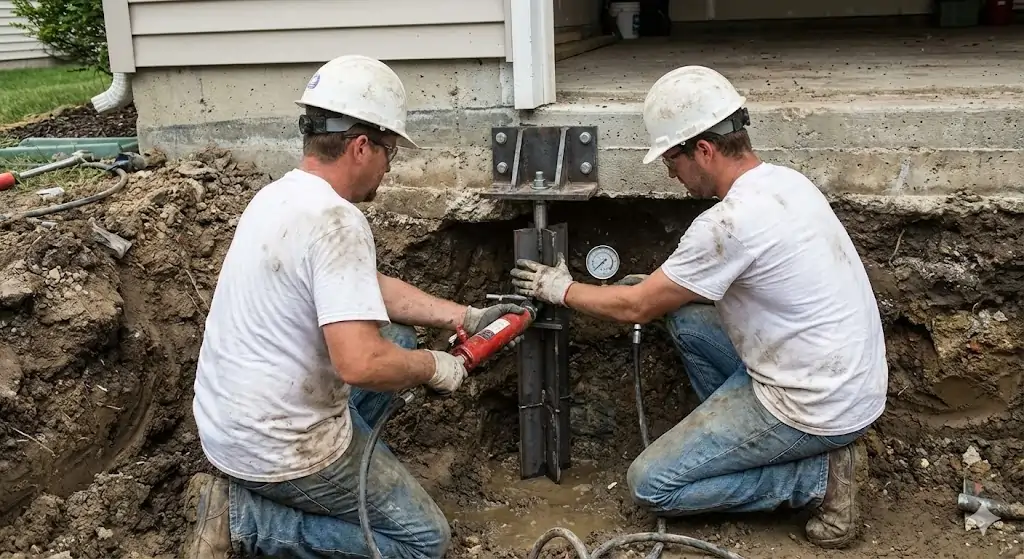
Foundation issues can be one of the most stressful problems a homeowner faces. In Sacramento, where expansive clay soils and seasonal moisture changes are common, understanding foundation repair options is essential for protecting your home’s structural integrity and value. This guide covers everything you need to know about foundation repair in Sacramento, from identifying problems to choosing the right foundation repair contractor.
Understanding Sacramento’s Unique Foundation Challenges
Sacramento’s geographical location presents specific challenges for home foundations. The region’s predominantly clay soil expands when wet and contracts during dry periods, creating significant pressure on foundation structures. According to the University of California Division of Agriculture and Natural Resources, expansive clay soils are present throughout much of the Sacramento Valley, making foundation movement a common concern for homeowners.
The area’s Mediterranean climate, characterized by wet winters and dry summers, exacerbates these soil movement issues. During Sacramento’s dry season, which typically extends from May through October, soil can shrink away from foundations, reducing support. Conversely, winter rains cause soil expansion, potentially pushing against foundation walls and creating cracks or structural movement.
These cyclical changes mean that Sacramento homeowners need to be particularly vigilant about foundation maintenance and repairs. Understanding these local conditions helps explain why foundation repair services are frequently needed and why selecting an experienced foundation repair specialist familiar with regional Sacramento and Northern California soil conditions is crucial.
Recognizing Foundation Problems: Warning Signs
Identifying foundation issues early can save thousands of dollars in repairs. Here are the most common warning signs that indicate you may need foundation repair:
Structural Indicators:
- Cracks in walls, particularly diagonal cracks above doorways or windows
- Sunken or sagging floors or gaps between walls and ceilings or walls and floors
- Cracks in exterior brick, concrete, or stucco
- Doors and windows that stick or won’t close properly
- Cracks in the foundation itself, especially horizontal cracks or stair-step patterns in block foundations
Water-Related Signs:
- Standing water near the foundation after rain
- Basement moisture or dampness
- Mold or mildew growth in crawl spaces
- Efflorescence (white chalky deposits) on foundation walls
Advanced Damage:
- Separation of porches, chimneys, or garage structures from the main house
- Bowing or leaning foundation walls
- Visible foundation settlement
If you notice any of these signs, it’s time to contact Pinnacle Home Services, your foundation repair contractor for a professional assessment. The Insurance Information Institute notes that foundation damage typically isn’t covered by standard homeowners insurance unless it’s caused by a covered peril, making early detection and repair even more financially important.
Common Foundation Repair Methods Used
Pinnacle Home Service foundation repair specialists employ various methods depending on the type and severity of foundation damage. Here are the most common solutions used in Sacramento:
Slabjacking (Mudjacking)
Slabjacking involves pumping a cement-based mixture beneath a sunken concrete slab to raise it back to its original level. This method is cost-effective and works well for minor settling issues. According to HomeAdvisor, slabjacking typically costs between $500 and $1,300 for most residential applications, making it one of the more affordable foundation repair options.
Helical Piers and Push Piers
For more serious foundation settlement, steel piers are driven deep into stable soil layers beneath the unstable surface soil. These piers transfer the home’s weight to load-bearing strata, preventing further settlement and often allowing for some foundation lifting. The California Geological Survey’s research on soil stability supports this deep foundation approach for areas with expansive soils.
Helical piers feature screw-like threads and are mechanically twisted into the ground, while push piers are hydraulically driven. Both methods are permanent solutions suitable for Sacramento’s soil conditions.
Foundation Underpinning
Foundation underpinning strengthens and stabilizes existing foundations by extending them to more stable soil or distributing loads more effectively. This method is often necessary when foundations have experienced significant settlement or when adding stories to a home. According to Angi, underpinning projects typically range from $1,000 to $3,000 per pier, with most homes requiring multiple piers.
Soil Stabilization
In Sacramento’s clay soils, managing moisture content is critical. Soil stabilization techniques include:
- Installing proper drainage systems to redirect water away from foundations
- Using root barriers to prevent tree root intrusion
- Implementing soil injection methods to improve soil bearing capacity
- Creating moisture barriers to maintain consistent soil moisture levels
Crawl Space Encapsulation
For homes with crawl spaces, a full crawl space encapsulation creates a moisture barrier using heavy-duty plastic sheeting. This prevents moisture from entering the crawl space, reducing wood rot, mold growth, and foundation movement caused by moisture fluctuations.
Wall Anchors and Bracing
For bowing or leaning foundation walls, steel wall anchors or carbon fiber bracing systems can stabilize and sometimes straighten walls. These systems counteract soil pressure and prevent further inward movement.
Foundation Repair Costs: What to Expect
Understanding foundation repair costs helps homeowners budget appropriately and evaluate contractor estimates. According to HomeAdvisor’s 2024 data, foundation repair costs nationally range from $2,000 to $7,500 on average, with major repairs exceeding $10,000.
Typical Foundation Repair Costs:
- Minor crack repairs: $250 – $800
- Slabjacking/mudjacking: $500 – $1,500
- Foundation pier installation: $1,000 – $3,000 per pier (homes typically need 8-12 piers)
- Complete foundation underpinning: $20,000 – $50,000+
- Crawl space encapsulation: $1,500 – $7,000
- Drainage system installation: $1,000 – $5,000
Several factors influence foundation repair costs:
- Severity of damage: Minor cracks cost significantly less than major structural settlement
- Accessibility: Difficult-to-reach areas increase labor costs
- Home size: Larger homes require more materials and labor
- Repair method: Sophisticated solutions like pier systems cost more than simple crack injection
- Soil conditions: Sacramento’s challenging clay soils may require additional soil stabilization work
Angi reports that most Sacramento homeowners pay between $4,000 and $12,000 for foundation repairs, with the median cost around $6,500. However, costs vary widely based on project specifics.
Choosing the Right Foundation Repair Contractor

Pinnacle Home Services is your qualified foundation repair specialist and is perhaps the most important decision you’ll make when selecting a foundation contractor in Sacramento. Here’s how to find and vet contractors:
Essential Qualifications
- Licensing: Verify the contractor holds a valid California contractor’s license (C-55 Foundation Specialty or B General Building license)
- Insurance: Confirm adequate liability insurance and workers’ compensation coverage
- Experience: Look for contractors with at least 5-10 years of experience specifically with Sacramento-area soil conditions
- Certifications: Check for manufacturer certifications for products they install
- References: Request and contact recent customer references
Red Flags to Avoid
Reddit’s r/HomeImprovement community frequently discusses contractor selection, and common warning signs include:
- Requiring large upfront payments (more than 10% or $1,000, per California law)
- Pressure tactics or “today only” pricing
- Lack of written contracts or detailed proposals
- No physical business address
- Unwillingness to provide references or proof of licensing
Getting Multiple Quotes
HomeAdvisor recommends obtaining at least three detailed written estimates. Each should include:
- Specific description of the problem identified
- Proposed repair method and materials
- Project timeline
- Detailed cost breakdown
- Warranty information
- Payment schedule
Compare not just prices but also proposed solutions, warranties, and contractor communication quality. The lowest bid isn’t always the best choice, experience and reliability matter significantly in foundation work.
The Foundation Repair Process: What to Expect
Understanding the typical foundation repair process helps homeowners prepare and know what to expect:
1. Initial Inspection and Assessment
A thorough inspection by a foundation repair specialist typically takes 1-2 hours. We will:
- Examine interior and exterior foundation areas
- Check for soil conditions and drainage issues
- Assess the severity and cause of foundation damage
- Use levels and specialized equipment to measure foundation movement
- Document findings with photos and measurements
2. Proposal and Planning
Within a few days to a week, you’ll receive a detailed written proposal outlining:
- Diagnosis of foundation issues
- Recommended repair method and rationale
- Cost estimate with itemized breakdown
- Project timeline
- Warranty terms
3. Permits and Preparation
Significant foundation repairs require permits from Sacramento County or city building departments. Your contractor should handle permit applications. Preparation may include:
- Clearing the work area around the foundation
- Coordinating utility location services
- Arranging temporary support for the structure if needed
4. Repair Work
Duration varies based on project scope, minor repairs may take 1-2 days, while extensive underpinning could require several weeks. Most foundation repair contractors work to minimize disruption to your daily life.
5. Inspection and Completion
Following repairs, a building inspector will verify work meets code requirements. Our contractors will walk you through completed repairs and provide maintenance recommendations.
6. Post-Repair Monitoring
Monitor your foundation in the months following repairs, watching for any signs of continued movement. Most reputable foundation repair specialists offer follow-up inspections and stand behind their work with substantial warranties.
Preventing Future Foundation Problems
Prevention is always more cost-effective than repair. Sacramento homeowners can take several steps to protect their foundations:
Moisture Management:
- Install and maintain gutters and downspouts, directing water at least 6 feet from the foundation
- Grade soil away from the foundation (minimum 6-inch drop over 10 feet)
- Avoid overwatering landscaping near the foundation
- Consider installing a foundation watering system during extreme dry periods to maintain consistent soil moisture
Landscaping Considerations:
- Plant trees and large shrubs at least 15-20 feet from the foundation (their root systems can extend 1.5-2 times their canopy width)
- Use plants with non-invasive root systems near foundations
- Avoid planting water-hungry species like willows or poplars near your home
Regular Maintenance:
- Inspect your foundation annually for cracks or changes
- Address plumbing leaks promptly
- Maintain consistent moisture levels around the foundation year-round
- Keep crawl spaces ventilated and dry
The University of California Cooperative Extension provides resources on landscape management for foundation protection, emphasizing the importance of proper irrigation and plant selection in clay soil regions.
Insurance and Foundation Repair: What’s Covered?
Foundation repair is a significant expense, and many homeowners wonder about insurance coverage. According to the California Department of Insurance, standard homeowners insurance policies typically exclude coverage for foundation damage caused by:
- Settling, shrinking, or expanding soil
- Earth movement (except earthquake insurance)
- Poor construction or maintenance
- Flooding (requires separate flood insurance)
However, insurance may cover foundation damage if it results from:
- Sudden pipe bursts or plumbing failures
- Covered perils like fire or falling objects
- Issues specifically covered under your policy
Review your policy carefully and consult your insurance agent. Document all foundation issues with photos and dates. If a covered peril caused foundation damage, file a claim promptly with thorough documentation.
Financing Foundation Repairs
Given the significant cost of foundation repairs, many Sacramento homeowners need financing options:
Home Equity Loans or HELOCs: Using home equity often provides the lowest interest rates for large projects. However, your home serves as collateral.
Personal Loans: Unsecured personal loans don’t risk your home but typically have higher interest rates.
Contractor Financing: Many foundation repair contractors offer financing programs, sometimes with promotional interest rates. Read terms carefully and compare with other options.
FHA 203(k) Loans: If purchasing a home needing foundation repairs, this FHA program allows rehabilitation financing.
Energy-Efficient Mortgages: If foundation repairs include energy-efficient improvements like moisture barriers, special mortgage programs may apply.
Questions to Ask Us, Pinnacle Home Services. Your Foundation Repair Contractor
Before hiring a foundation repair specialist, ask these crucial questions:
- What is the root cause of my foundation problem?
- What repair method do you recommend and why?
- Are there alternative solutions, and what are the pros and cons?
- How long will repairs take?
- What warranty do you offer on parts and labor?
- Will you handle permits and inspections?
- What is your payment schedule?
- How will you protect my landscaping and property during work?
- What maintenance will be required after repairs?
- Can you provide references from similar projects in Sacramento?
Making Your Decision
Foundation repair is a significant investment in your home’s safety, stability, and value. Sacramento’s unique soil conditions make selecting an experienced local foundation repair contractor essential. Take time to:
- checking licenses and references
- Understand your specific foundation issues and proposed solutions
- Ask questions until you’re completely comfortable
- Review contracts carefully before signing
- Plan for proper maintenance after repairs
Remember that addressing foundation problems early typically costs less than waiting until damage becomes severe. If you suspect foundation issues, don’t delay, contact a qualified foundation repair Sacramento specialist for an inspection.
Additional Resources
Educational Resources:
- University of California Division of Agriculture and Natural Resources: Expansive Soils and Foundation Performance
- California Geological Survey: Geologic and Seismic Hazards
- Sacramento County Building Department: Building Permits and Inspections
Contractor Directories and Reviews:
- Angi (formerly Angie’s List): Foundation Repair Contractors
- HomeAdvisor: Sacramento Foundation Repair Pros
- Better Business Bureau: Sacramento-area Foundation Contractors
Homeowner Communities:
- Reddit r/HomeImprovement: Foundation repair discussions
- Reddit r/Sacramento: Local homeowner experiences
Government Resources:
- California Contractors State License Board: License Verification
- California Department of Insurance: Homeowners Insurance Information
- Federal Emergency Management Agency (FEMA): Home Builder’s Guide to Earthquake-Resistant Design
Financial Resources:
- U.S. Department of Housing and Urban Development: Home Improvement Loans
- Consumer Financial Protection Bureau: Home Equity Loans and HELOCs
Foundation repair is complex, but with proper knowledge, careful contractor selection, and proactive maintenance, Sacramento homeowners can successfully address foundation issues and protect their homes for decades to come. Whether you’re dealing with minor cracks or significant settlement, acting promptly and choosing the right foundation repair specialist will ensure your home remains safe, stable, and valuable.