
Types of Home Foundations
The foundation of a home is its structural bedrock, anchoring the building to the ground and providing stability against environmental forces. The choice of foundation type is influenced by various factors, including soil conditions, climate, and budget. This article provides a comprehensive look at the different types of home foundations and their characteristics.
Slab Foundations
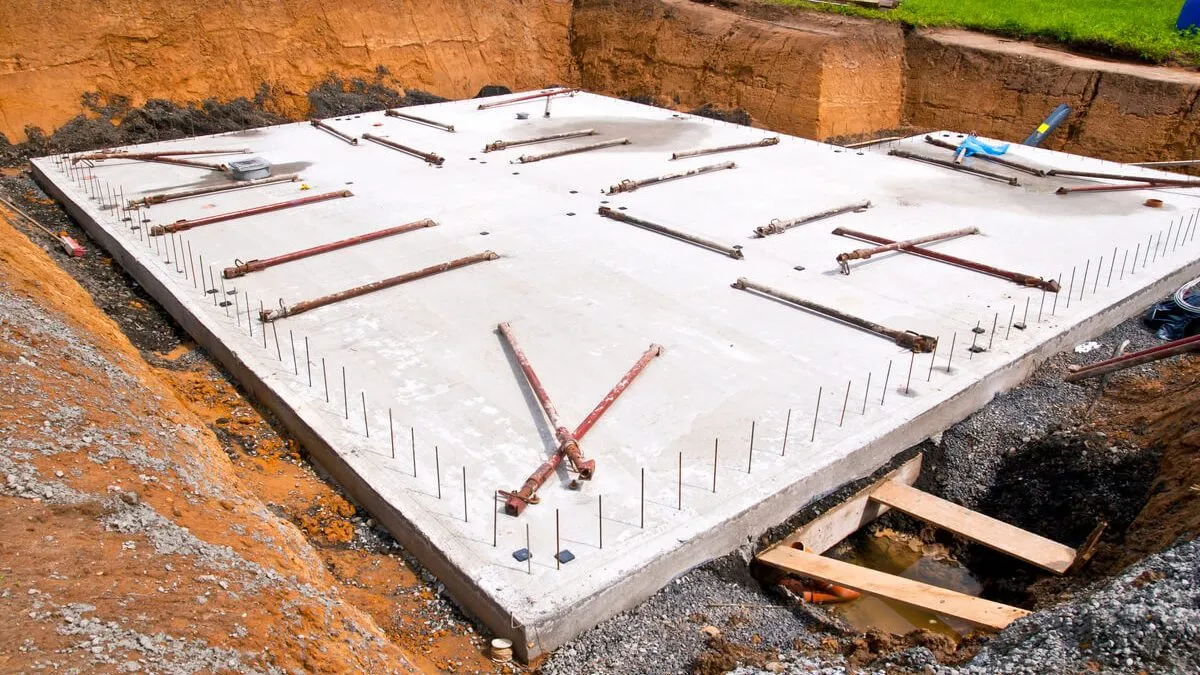
What it is: A slab foundation, often referred to as a “slab-on-grade” foundation, is a single layer of concrete poured directly onto the ground. It’s typically several inches thick and may contain reinforcing bars (rebar) for added strength.
Advantages:
Economical and quick to install.
Suitable for areas with a high water table.
Minimal maintenance required.
Drawbacks:
Difficult to access utilities once poured.
Not ideal for freeze-prone areas.
Crawlspace Foundations
What it is: This foundation type elevates the house several feet off the ground. It’s constructed using cinder block and a brick facing, creating a gap (or crawlspace) between the ground and the home.
Advantages:
Provides easy access to utilities.
Can offer insulation benefits in colder climates.
Reduces flooding risk in areas with high water tables.
Drawbacks:
Potential for mold growth if not adequately ventilated.
Risk of pest infestations if not sealed.
Basement Foundations
What it is: A basement foundation is an excavated space, typically 8 feet or deeper below ground level. The walls are made of cinder blocks or poured concrete, and the space can be finished or unfinished.
Advantages:
Offers additional living or storage space.
Provides protection during severe weather.
Increases home value.
Drawbacks:
More expensive to construct.
Risk of water leakage if not properly sealed.
Pier and Beam Foundations (or Post and Beam)
What it is: This foundation consists of wooden posts or concrete piers set deep into the ground, supporting the weight of the house. The structure rests on horizontal beams placed atop these piers.
Advantages:
Elevated design offers flood protection.
Easier utility access and modifications.
Adaptable to areas with shifting soils.
Drawbacks:
Potential for wood decay or pest issues.
Can be pricier than slab foundations.
Pile Foundations
What it is: Pile foundations use long, slender columns (piles) made of steel or reinforced concrete driven deep into the ground. They’re primarily used when the topsoil lacks the strength to support a structure.
Advantages:
Offers stability in weak or marshy soils.
Capable of bearing heavy loads.
Drawbacks:
Complex installation requiring specialized machinery.
Generally more costly than other foundation types.
Raft or Mat Foundations
What it is: A raft foundation is a thick, reinforced concrete slab covering the entire building’s footprint. It’s used when the soil’s load-bearing capacity is inadequate.
Advantages:
Evenly distributes the building’s weight.
Suitable for expansive or weak soils.
Drawbacks:
Requires a large volume of concrete, increasing costs.
Not ideal for flood-prone regions.
Conclusion
Selecting the right foundation type is crucial for the longevity and safety of a home. It’s essential to consider the specific needs of the site, local environmental conditions, and budgetary constraints. Engaging with a structural engineer or architect can provide valuable guidance in making an informed decision.