
Water Damage and Foundation Issues
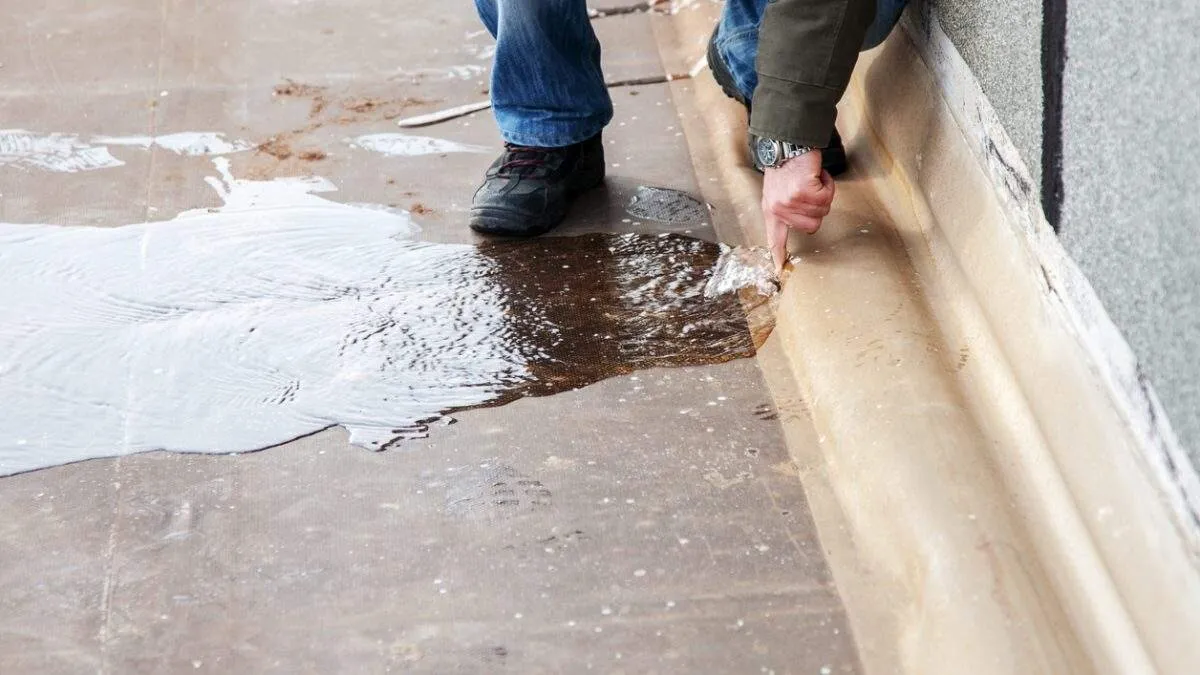
Water is the greatest enemy of your house. It doesn’t appear so bad, but if it piles up around your house, water damage can actually ruin your house. The most common problem water creates is the destruction of the foundation. Your foundation houses your home. If your foundation is ruined, the rest of your home constructed on top of it can be ruined as well.
In the following guide, we’ll describe how water ruins your foundation, what to check, and how you can avoid or undo these damages.
How Water Damages Foundations
Your foundation rests atop of soil and when water seeps into the earth surrounding your house, the soil reacts. Soil swells when wet and contracts when dry. These actions exert pressure on the foundation walls. With time, this can result in cracks, movement, or settlement.
Water ends up reaching your foundation in different ways:
- Poor drainage
- Heavy downpour
- Leakage from pipes
- Faulty gutters
- Flooding or storms
The water accumulates near your home’s foundation, and it starts to erode the concrete or brick. The more time elapses, the weaker the building gets.
Signs of Water Damage to Your Foundation
It is advisable to identify the water damage early enough. Small issues could develop into expensive repairs if neglected. These are some signs to look for:
1. Cracks in Floors or Walls
Tight cracks do not appear too bad, yet they do mean that your foundation is shifting. When they spread, water may already be damaging them.
2. Stale Smell of Basement
Basements smell when they are damp. This happens when water gets into walls or floors. That water can also lead to mold.
3. Floors that Are Not Level
If your floors are no longer level or spongy, your foundation has shifted. Water can wear away the soil under your house, leading to uneven support.
4. Sticky Doors and Windows
When the foundation does shift, it rotates the frame of your house. You notice doors and windows that no longer slide smoothly.
5. Water Accumulation Near the Foundation
If water accumulates near your home when it rains, it may be heading towards your foundation instead of away from it. It puts pressure on the structure and can cause cracks or seepage.
How Water Enters the Foundation
Water enters your foundation in many ways. Some are apparent, and others will require some searching.
Surface Water
This is sprinkler water or rainwater. If your yard is sloping toward your house, naturally, water flows to the foundation.
Groundwater
Water may settle underground when it rains over a long duration. It puts pressure and seeps into the cracks in the foundation.
Plumbing Leaks
Moist, rotten pipes in walls or underneath the house can slowly soak the foundation. The leaks are not accessible and do not show until massive damage.
Some of the most common issues for homeowners are:
Foundation Cracks
Since the water gets pressurized, it pushes against foundation walls. Over time, cracks form. They may be vertical, horizontal, or diagonal. Some of them can let in more water, so the problem gets worse.
Settling or Sinking
If water dissolves soil under your foundation, it will start settling. It results in sloping floors and large wall cracks.
Bowing Walls
Water pressure against basement walls causes the walls to curve inwards. This is hazardous and must be fixed immediately in case it caves in.
Mold and Mildew
Where there is water, mold is bound to be present. Excess water in the basement or foundation is ideal for mold to develop. This will damage your home and your health as well.
How to Fix Water Damage to Foundation
Foundation repair depends on the cause of the damage. Some of the methods for the repair of water-caused foundation damage are as follows:
Crack Sealing
Small cracks are often sealed with polyurethane or epoxy. They prevent water entry and provide strength to the wall.
French Drains
They are used in order to direct water away from your foundation. A trench is cut around the house, which is lined with gravel, and a pipe is placed to divert water out safely.
Sump Pumps
If there is standing water in your basement, a sump pump will drain it out. It is placed in a pit and pushes water out when water level becomes too high.
Piering or Underpinning
If your foundation has displaced or moved, steel or concrete piers may be installed to level, lift, and permanently stabilize the house in a process called foundation underpinning.
Wall Anchors or Braces
If your walls in your basement are bowing, these tools help push the walls back to their original position and keep them there.
Exterior Waterproofing
This procedure involves digging close to the foundation, closing it from the outside, and placing a drainage system in an attempt to keep water away.
How to Prevent Foundation Water Damage
It is always better to prevent than to cure. You can avoid costly damage if you just follow these suggestions:
Clean Gutters
Guttered gutters clog up and flow directly into your foundation. Clean them a minimum of twice a year.
Extend Downspouts
Have water spewing at least 5–10 feet away from the house in your downspouts.
Grade Your Yard
Cause your yard to slope away from your house. Rainwater drains away and does not remain close to the foundation.
Repair Leaks Immediately
Check your pipes on a regular basis. Seal off any leaks immediately, especially by the crawlspace or basement.
Install a Sump Pump
If your basement is damp, install a sump pump to stop water from entering.
Repair Small Foundation Cracks Early
Small cracks are simple to fix. Do not let them grow.
Do Not Overwater Near the House
Plants and grass need watering, but water is harmful to soil beneath your house.
When to Call in a Pro
Not all foundation problems need to be fixed completely. But call a pro if:
- Cracks are widening
- Floors are no longer level
- Water is still seeping into your basement
- Walls are bowing or leaning
- You notice a mold smell or notice water stains
Experts can verify the problem and give you the best solution. Don’t try to perform radical repairs yourself.
Final Thoughts
Water damage and foundation issues go hand in hand. What may start out as a small leak or puddle can turn into a monstrous problem. Do something sooner rather than later.
Check for signs like cracks, water marks, or faint odors. Keep your yard slope and your gutters level. Fix leaks in a timely manner, and keep water from flowing towards the home.
If you see signs of cracked foundations, call a professional. You can salvage your home by acting quickly and avoid expensive repairs down the road.
Your home is worthy of a good foundation. Block out the water, and your home will stand firm for generations.
Water is the greatest enemy of your house. It doesn’t appear so bad, but if it piles up around your house, water damage can actually ruin your house. The most common problem water creates is the destruction of the foundation. Your foundation houses your home. If your foundation is ruined, the rest of your home constructed on top of it can be ruined as well.
In the following guide, we’ll describe how water ruins your foundation, what to check, and how you can avoid or undo these damages.
How Water Damages Foundations
Your foundation rests atop of soil and when water seeps into the earth surrounding your house, the soil reacts. Soil swells when wet and contracts when dry. These actions exert pressure on the foundation walls. With time, this can result in cracks, movement, or settlement.
Water ends up reaching your foundation in different ways:
- Poor drainage
- Heavy downpour
- Leakage from pipes
- Faulty gutters
- Flooding or storms
The water accumulates near your home’s foundation, and it starts to erode the concrete or brick. The more time elapses, the weaker the building gets.
Signs of Water Damage to Your Foundation
It is advisable to identify the water damage early enough. Small issues could develop into expensive repairs if neglected. These are some signs to look for:
1. Cracks in Floors or Walls: Tight cracks do not appear too bad, yet they do mean that your foundation is shifting. When they spread, water may already be damaging them.
2. Stale Smell of Basement: Basements smell when they are damp. This happens when water gets into walls or floors. That water can also lead to mold.
3. Floors that Are Not Level: If your floors are no longer level or spongy, your foundation has shifted. Water can wear away the soil under your house, leading to uneven support.
4. Sticky Doors and Windows: When the foundation does shift, it rotates the frame of your house. You notice doors and windows that no longer slide smoothly.
5. Water Accumulation Near the Foundation: If water accumulates near your home when it rains, it may be heading towards your foundation instead of away from it. It puts pressure on the structure and can cause cracks or seepage.
How Water Enters the Foundation
Surface Water: This is sprinkler water or rainwater. If your yard is sloping toward your house, naturally, water flows to the foundation.
Groundwater: Water may settle underground when it rains over a long duration. It puts pressure and seeps into the cracks in the foundation.
Plumbing Leaks: Moist, rotten pipes in walls or underneath the house can slowly soak the foundation. The leaks are not accessible and do not show until massive damage.
Some of the most common issues for homeowners are:
Foundation Cracks: Since the water gets pressurized, it pushes against foundation walls. Over time, cracks form. They may be vertical, horizontal, or diagonal. Some of them can let in more water, so the problem gets worse.
Settling or Sinking: If water dissolves soil under your foundation, it will start settling. It results in sloping floors and large wall cracks.
Bowing Wall: Water pressure against basement walls causes the walls to curve inwards. This is hazardous and must be fixed immediately in case it caves in.
Mold and Mildew: Where there is water, mold is bound to be present. Excess water in the basement or foundation is ideal for mold to develop. This will damage your home and your health as well.
How to Fix Water Damage to Foundation
Foundation repair depends on the cause of the damage. Some of the methods for the repair of water-caused foundation damage are as follows:
Crack Sealing: Small cracks are often sealed with polyurethane or epoxy. They prevent water entry and provide strength to the wall.
French Drains: They are used in order to direct water away from your foundation. A trench is cut around the house, which is lined with gravel, and a pipe is placed to divert water out safely.
Sump Pumps: If there is standing water in your basement, a sump pump will drain it out. It is placed in a pit and pushes water out when water level becomes too high.
Piering or Underpinning: If your foundation has displaced or moved, steel or concrete piers may be installed to level, lift, and permanently stabilize the house in a process called foundation underpinning.
Wall Anchors or Braces: If your walls in your basement are bowing, these tools help push the walls back to their original position and keep them there.
Exterior Waterproofing: This procedure involves digging close to the foundation, closing it from the outside, and placing a drainage system in an attempt to keep water away.
How to Prevent Foundation Water Damage
It is always better to prevent than to cure. You can avoid costly damage if you just follow these suggestions:
Clean Gutters: Guttered gutters clog up and flow directly into your foundation. Clean them a minimum of twice a year.
Extend Downspouts: Have water spewing at least 5–10 feet away from the house in your downspouts.
Grade Your Yard: Cause your yard to slope away from your house. Rainwater drains away and does not remain close to the foundation.
Repair Leaks Immediately: Check your pipes on a regular basis. Seal off any leaks immediately, especially by the crawlspace or basement.
Install a Sump Pump: If your basement is damp, install a sump pump to stop water from entering.
Repair Small Foundation Cracks Early: Small cracks are simple to fix. Do not let them grow.
Do Not Overwater Near the House
Plants and grass need watering, but water is harmful to soil beneath your house.
When to Call in a Pro
Not all foundation problems need to be fixed completely. But call a pro if:
- Cracks are widening
- Floors are no longer level
- Water is still seeping into your basement
- Walls are bowing or leaning
- You notice a mold smell or notice water stains
Experts can verify the problem and give you the best solution. Don’t try to perform radical repairs yourself.
Final Thoughts
Water damage and foundation issues go hand in hand. What may start out as a small leak or puddle can turn into a monstrous problem. Do something sooner rather than later.
Check for signs like cracks, water marks, or faint odors. Keep your yard slope and your gutters level. Fix leaks in a timely manner, and keep water from flowing towards the home.
If you see signs of cracked foundations, call a professional. You can salvage your home by acting quickly and avoid expensive repairs down the road.
Your home is worthy of a good foundation. Block out the water, and your home will stand firm for generations.