
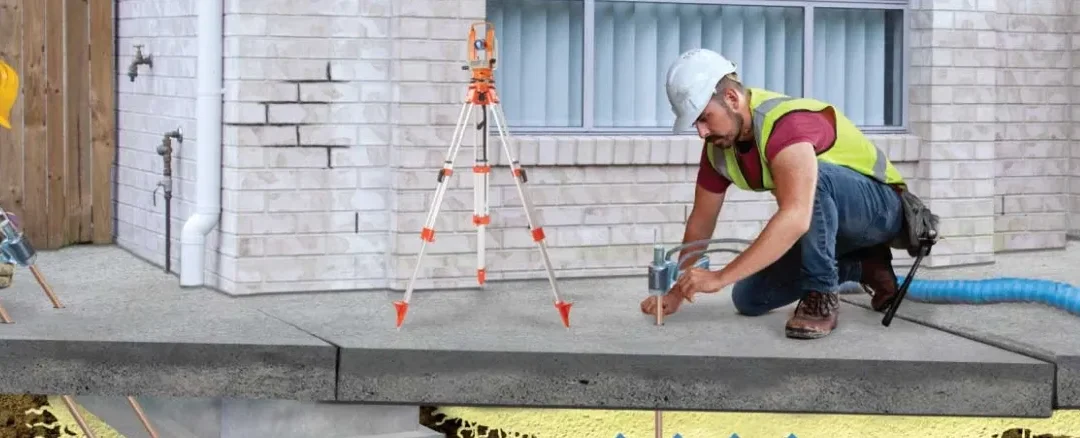
Your home’s foundation is literally what everything else rests upon. When foundation problems arise, they can affect your entire house’s structural integrity, safety, and value. Whether you’re dealing with minor cracks or major settling issues, understanding foundation repair is crucial for every homeowner. This comprehensive guide covers everything you need to know about foundation problems, repair methods, costs, and prevention strategies.
Understanding Foundation Problems: Warning Signs Every Homeowner Should Know
Foundation issues rarely appear overnight. Most problems develop gradually, giving homeowners time to identify and address them before they become major structural concerns. Several signs may suggest that your foundation is experiencing issues. Look for cracks in the walls, especially those that are horizontal or zigzag. You should also check for gaps around doors and windows—if they stick or do not close properly, it may indicate a sinking foundation.
Key warning signs include:
Interior Warning Signs:
- Cracks in walls, especially stair-step patterns in masonry
- Doors and windows that stick or won’t close properly
- Uneven or sloping floors
- Cracks in tile or hardwood flooring
- Gaps between walls and ceilings or floors
- Basement water intrusion or dampness
Exterior Warning Signs:
- Visible cracks in foundation walls
- Bowing or leaning foundation walls
- Gaps around exterior doors and windows
- Chimney tilting or separation from the house
- Porches or steps pulling away from the main structure
Types of Foundation Repairs: Comprehensive Guide for Every Problem
Basement Foundation Repairs
Basement foundations are particularly susceptible to water damage, settling, and structural issues. Common basement foundation repairs include:
Crack Injection: For minor to moderate cracks, polyurethane or epoxy injection provides an effective seal. This method works well for non-structural cracks and helps prevent water infiltration.
Wall Stabilization: When basement walls begin bowing inward, carbon fiber straps or steel I-beams can provide reinforcement without major excavation.
Underpinning: For severe settling issues, underpinning involves extending the foundation depth or breadth to reach more stable soil or bedrock.
Foundation Crack Repair
Not all foundation cracks are created equal. Understanding the type of crack helps determine the appropriate repair method:
Hairline Cracks: Usually cosmetic and can be sealed with hydraulic cement or masonry caulk.
Structural Cracks: Wider than 1/4 inch and may indicate serious foundation movement. These require professional assessment and repair, often involving:
- Epoxy injection for structural bonding
- Steel reinforcement installation
- Foundation stabilization with piers or underpinning
Slab Foundation Repair
Slab-on-grade foundations are common in warmer climates but can experience unique problems:
Slab Jacking: Also called mudjacking, this process involves pumping material under the slab to raise it back to level. Modern polyurethane injection is lighter and longer-lasting than traditional concrete slurry.
Pier Installation: For severely compromised slabs, concrete or steel piers transfer the home’s weight to more stable soil layers.
Raised Foundation Repair
Raised foundations (pier and beam) offer better access for repairs but have their own challenges:
Beam Replacement: Rotted or damaged support beams must be replaced with properly sized lumber or steel.
Pier Adjustment: Individual piers may need shimming, replacement, or stabilization.
Floor Joist Repair: Sagging floors often result from damaged floor joists that require sistering (adding reinforcement) or replacement.
Crawl Space Foundation Repair
Crawl spaces require specific attention to moisture control and structural integrity:
Moisture Management: Proper vapor barriers, ventilation, and drainage prevent wood rot and mold growth.
Structural Reinforcement: Additional support posts, beam replacement, and floor joist repairs address sagging floors.
Encapsulation: Sealing the crawl space from ground moisture creates a controlled environment that protects structural elements.
Advanced Foundation Repair Methods
Underpinning and Foundation Stabilization
Underpinning is one of the most comprehensive foundation repair methods, used when the existing foundation is insufficient to support the structure. This process involves:
Mass Concrete Underpinning: Traditional method involving excavation and pouring new concrete beneath existing footings.
Mini-Pile Underpinning: Steel or concrete piers driven deep into stable soil or bedrock provide superior load-bearing capacity.
Beam and Base Method: Combines concrete beams with reinforced concrete bases for maximum stability.
Concrete Pier Foundation Repair & Stabilization
Steel piers are one of the most recommended foundation repair techniques, and it’s easy to see why. Steel is remarkably durable. When used on foundations, the material can preserve structural integrity for decades. However, concrete piers also offer excellent solutions:
Pressed Concrete Piers: Pre-cast concrete sections driven into stable soil provide excellent load-bearing capacity at lower cost than steel.
Drilled Concrete Piers: Cast-in-place concrete piers allow for custom sizing and reinforcement based on specific load requirements.
Sinking Foundation Repair
Foundation settlement can occur due to:
- Soil consolidation
- Poor initial compaction
- Water damage to supporting soil
- Tree root interference
Repair methods depend on the extent and cause of settlement:
Hydraulic Push Piers: Steel piers hydraulically driven to stable soil or bedrock, then connected to the foundation with brackets.
Helical Piers: Screw-like piers ideal for lighter structures or unstable soil conditions.
Slab Lifting: For concrete slabs, polyurethane injection or traditional mudjacking can restore proper elevation.
Specialized Foundation Guide
Basement Waterproofing
Water intrusion poses serious threats to foundation integrity. StayDry® follows basement waterproofing best practices championed by The University of Minnesota, so you can feel at ease knowing your property is in good hands. Professional waterproofing typically includes:
Interior Solutions:
- French drain systems
- Sump pump installation
- Interior wall sealants
- Dehumidification systems
Exterior Solutions:
- Excavation and exterior membrane application
- Drainage system installation
- Grading improvements
- Window well repair
Seismic and Earthquake Retrofitting Guide
In earthquake-prone areas, foundation retrofitting can save lives and property:
Foundation Bolting: Connects the house frame to the foundation, preventing sliding during seismic activity.
Cripple Wall Bracing: Reinforces short walls between the foundation and first floor.
Soft Story Retrofit: Strengthens buildings with large openings (like garages) on lower floors.
Home and Commercial Structure Reinforcement Guide
Beyond residential applications, foundation repair techniques adapt to commercial needs:
Steel Frame Reinforcement: Adding structural steel elements to support increased loads.
Concrete Reinforcement: Installing additional rebar and concrete for enhanced strength.
Seismic Upgrades: Bringing older commercial buildings up to current earthquake standards.
Foundation Repair Costs and Considerations
Foundation repair costs vary significantly based on:
- Problem severity and extent
- Repair method selected
- Local labor and material costs
- Accessibility of work area
- Permit requirements
Typical Cost Ranges:
- Minor crack repair: $300-$1,500
- Basement waterproofing: $3,000-$10,000
- Pier installation: $1,000-$3,000 per pier
- Complete underpinning: $15,000-$50,000+
Choosing the Right Foundation Repair Professional
Selecting qualified contractors is crucial for successful foundation repair:
Research and Verification:
- Check licensing and insurance
- Verify Better Business Bureau ratings
- Read customer reviews on multiple platforms
- Request and contact recent references
Getting Multiple Estimates:
- Obtain 3-5 detailed written estimates
- Compare proposed methods and materials
- Ask about warranties and guarantees
- Understand payment schedules
Red Flags to Avoid:
- Door-to-door solicitation
- Pressure for immediate decisions
- Unusually low or high estimates
- Requests for full payment upfront
- Lack of proper licensing or insurance
Prevention and Maintenance Guide
Preventing foundation problems is more cost-effective than repairs:
Water Management:
- Maintain proper grading around the foundation
- Keep gutters and downspouts clean and functional
- Install drainage systems where needed
- Monitor and repair plumbing leaks promptly
Soil Considerations:
- Maintain consistent soil moisture levels
- Plant trees and large shrubs away from foundations
- Remove invasive tree roots that threaten foundations
- Address expansive clay soil issues
Regular Inspections:
- Conduct seasonal foundation inspections
- Monitor for new cracks or changes in existing ones
- Check for signs of water intrusion
- Address minor issues before they become major problems
Regional Considerations and Building Codes
Foundation requirements vary by location due to:
- Climate conditions (freeze-thaw cycles)
- Soil types and conditions
- Seismic activity levels
- Local building codes and requirements
Climate-Specific Concerns:
- Cold climates require frost-line considerations
- High-moisture areas need enhanced waterproofing
- Expansive soil regions require special foundation design
- Seismic zones mandate specific reinforcement requirements
When to Call Professionals vs. DIY Approaches
While some minor maintenance tasks are suitable for DIY, most foundation repairs require professional expertise:
DIY-Appropriate Tasks:
- Minor hairline crack sealing
- Basic waterproofing maintenance
- Grading improvements
- Gutter and drainage maintenance
Professional-Required Tasks:
- Structural crack repair
- Pier installation
- Underpinning work
- Major waterproofing projects
- Any work affecting structural integrity
Resources and References
Educational Resources:
- University Extension Services provide excellent foundation maintenance guides
- The American Society of Civil Engineers offers technical standards and best practices
- International Code Council publishes building codes and requirements
Professional Organizations:
- Foundation Repair Association provides contractor certification
- Better Business Bureau offers contractor ratings and complaint histories
- Local building departments provide permit requirements and inspection services
Online Resources:
- HomeAdvisor and Angi offer contractor matching and cost estimates
- Reddit communities like r/HomeImprovement provide peer advice and experiences
- Manufacturer websites offer product specifications and installation guides
Foundation repair is a critical investment in your home‘s safety, stability, and value. While foundation problems can seem overwhelming, understanding the available repair methods, costs, and prevention strategies empowers homeowners to make informed decisions. Whether dealing with minor cracks or major structural issues, the key is early detection and professional intervention when needed.
Remember that foundation repair is not typically a DIY project. The structural integrity of your home depends on proper diagnosis and professional execution of repairs. By working with qualified contractors, understanding your options, and implementing preventive measures, you can protect your most important investment for years to come.
Regular maintenance, prompt attention to warning signs, and professional inspections can prevent minor issues from becoming major expenses. When foundation problems do arise, don’t delay—early intervention typically results in less extensive and less expensive repairs, preserving both your home’s value and your family’s safety.